
CONTRABANDA (by Noran Dikkers)
CONTRABANDA
An Interview with Nikola Vladimirov
BY NORAN DIKKERS
CONTRABANDA
An Interview with Nikola Vladimirov
BY NORAN DIKKERS
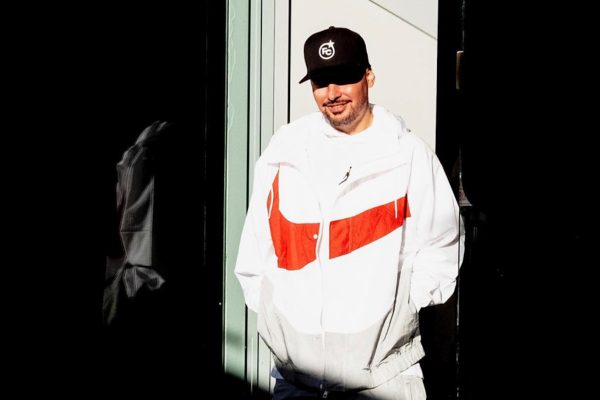
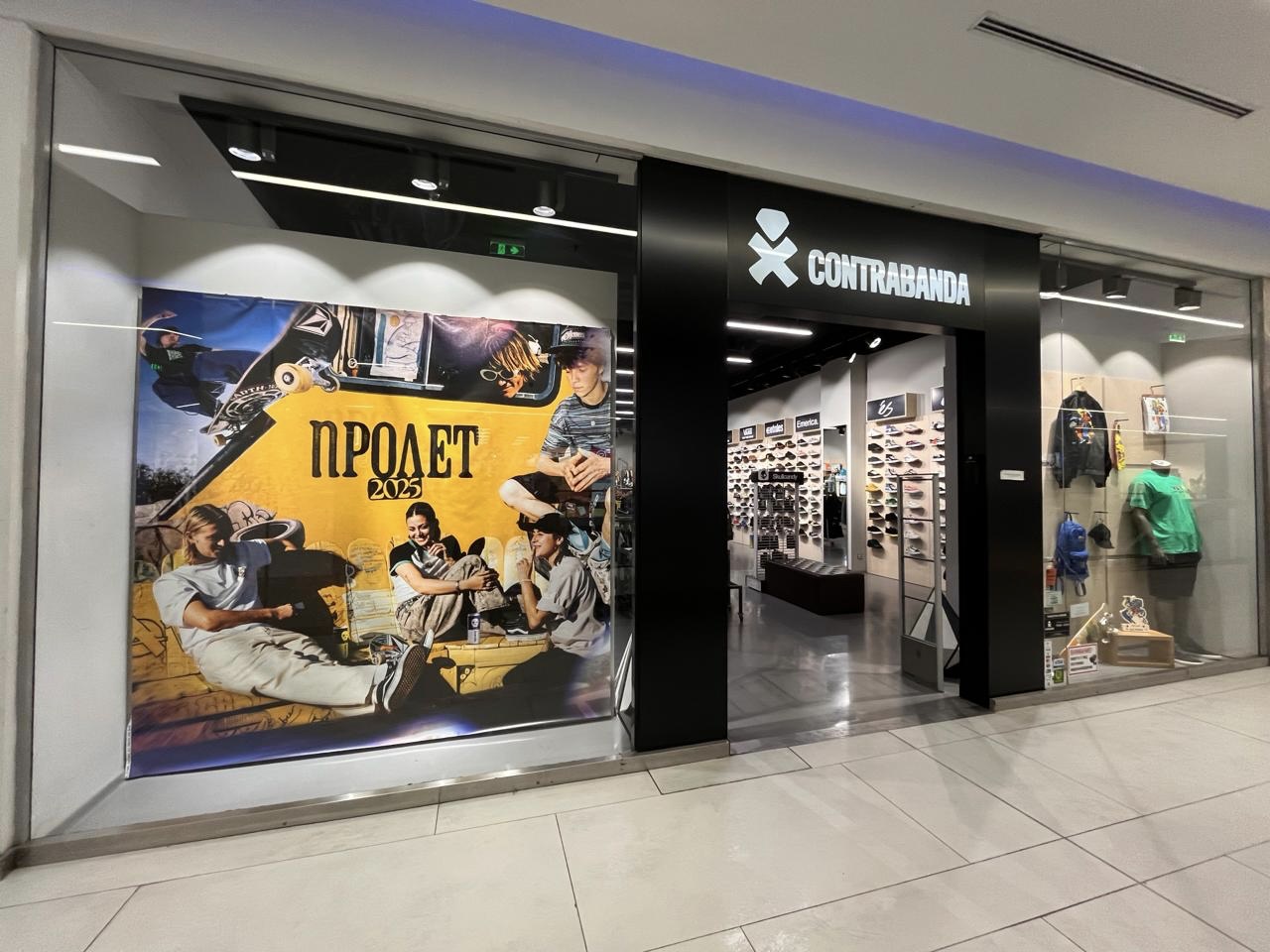
Never had visited Bulgaria before, so my expectations were nowhere to be found. However, turned out that there’s a strong skate scene and a skate shop in the capital city of Sofia. Contrabanda has been serving skateboarding, snowboarding, and streetwear for 22 years. From the outside looking in, you could argue that it isn’t the most core skate shop; but ideologically, they’re as strong as can be! Nikola Vladimirov (marketing manager of Contrabanda) has strong motivations for everything he does. Why is he so hungry to give back to the scenes and subcultures that Contrabanda sells to? Because if that’s not your goal as a skate shop, you’re better off selling soap or some other bullshit to a supermarket! Here’s an interview on the current state of skate and establishment, changes within Bulgarian outcast culture, skateboarding in the Olympics, and how skateboarding and snowboarding made Nikola who he is.
How long have you been with Contrabanda now, and how did you get to know the other Nikola?
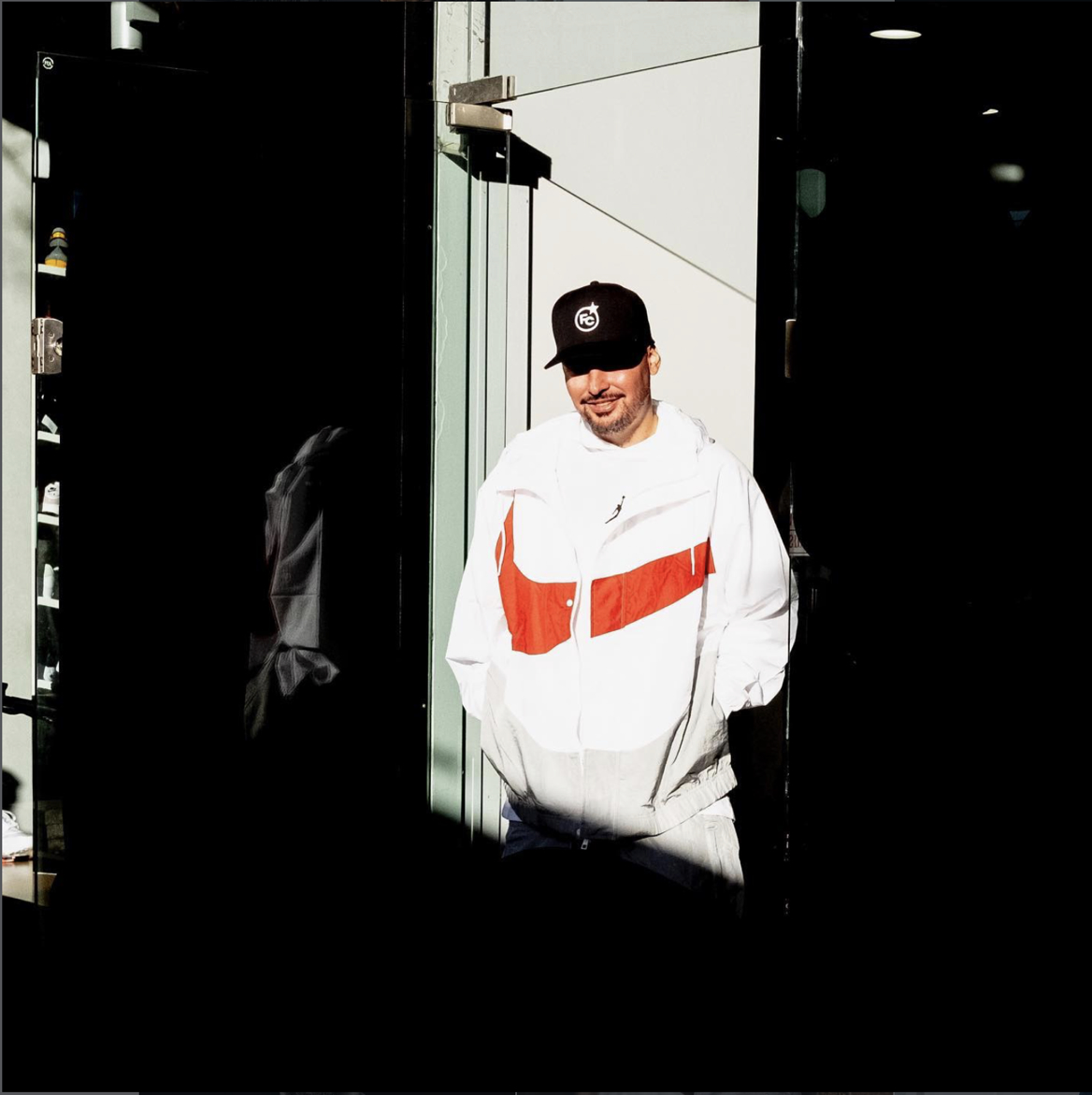
I met Nikola, the owner of Contrabanda, through snowboarding. At the time, I was working for the Bulgarian Snowboarding Magazine White Room. Nikola was sponsoring the magazine through Contrabanda; there was a connection. In 2010, when we were snowboarding together in one of Bulgaria’s snow resorts, he was like, Yo, would you like to be a part of my team at Contrabanda as the marketing manager? – which I ended up doing. So, for 16 years, I’ve been here at Contrabanda now. I made that decision because in 2010, White Room kind of died; we stopped doing print because of the consequences of the worldwide economic crisis. People had less money to spend, and that hit the whole snow-skate industry in Bulgaria hard.
Since you started working at Contrabanda in 2010, what has changed? Was it any different back then?
When I got hired, we were still a growing skate and snowboard shop. But those weren’t easy times back then. In 2008, the economic crisis in the United States happened; we felt it here like everyone else in Europe. The thing is, the crisis only caught up in Bulgaria around 2010, exactly when I joined Contrabanda. Bulgaria had a lot of competition in that market back then; not many of them managed to survive. When times were tough, people weren’t spending their money on luxury things like snowboarding gear anymore. They were saving their paychecks. In 2010, most of the snow skate stores in Bulgaria started bankrupting one after the other. Contraband didn’t, because the owner, Nikola, was always a visionary when it came to surviving. He managed to get us out of the danger zone – and he still does that. Nowadays we are spending on marketing and brand awareness, while everyone in the industry is saving on it. After 2010, in Bulgaria, business got a lot better. It was really stable for a while, until around 2021, 2022. Since then, it’s getting tougher again.
Is it, right now, getting as bad as in 2010?
You can’t really compare the situation from 2010 with now, because it’s more about the offering than the prices. But in general it isn’t as bad as in 2010. One major thing has changed, the competition. Where in 2010 extreme sports stores in Bulgaria were disappearing fast, nowadays consumers have endless options online. Retailers that are big players in the online market are our biggest competition. The access for a customer to a product has gotten too big; they can buy everything online, and for a better price than we can offer it in store. The discount tactics of big corporations and online retailers are pretty aggressive.
You always hear and see from skate shops when everything is going well, if there is money, and when they organise something. But how have the bad times been for you guys?
Of course that’s when you see the most from shops, when everything goes well, and everything flourishes. Especially if you can support events, riders, travel, and meetups with all the companies we represent here in Bulgaria. But when times are tough, you’re limited. Business is like a rollercoaster, but it’s going to be good again. Every downtime is super different. Right now, in Bulgaria, we have the problem with replicas from China. The kids nowadays are into that shit; wearing fakes has become acceptable – which was different back in the days. Even though we also didn’t have money, when we were young, we still wanted the real thing. If some friend bought a replica, we were like, What are you doing? Don’t buy that shit; save your money! But now all the kids are buying replicas, so it became acceptable.
Do you think that’s a change within youth culture as a whole? The acceptance of not buying the real thing and with that something of quality?
We’re trying to spread out the message that kids should buy the real thing. But I also think that this problem will be solved naturally, kids are smart enough to realize at some point that Chinese replicas are bullshit. At least I hope so. A brand is a brand because it represents quality and a story. A brand stands in its name because It’s offering you something that’s good.
Has it changed how the brands you work with support you throughout the years?
It changes a lot; the support from brands is at the end of the day driven by numbers, margins, and profit. All the time you hear brands say, We’re all about supporting the culture of skateboarding. But what we see in Bulgaria isn’t true to their words. The focus is starting to move towards profit; the industry is moving away from skater-owned and moving to a corporate investment culture. In my opinion the industry is not supposed to be run in that way. Do I need to say more? That’s getting frustrating for us, because Contrabanda has different goals than the corporate investment companies that own most of the brands in the industry. For 22 years, we’ve been supporting the culture, not because of revenue, but because I feel like it’s our corporate social responsibility. We sell skateboarding brands; we have to help the kids, build parks, or be involved in that and organize events. That’s our responsibility as a shop. If that’s not your goal as a skate shop, you should be in a different business. Like selling soap or some other bullshit to a supermarket chain. Everybody knows that there are some corporate brands that came into skateboarding for the revenue. I’ll give you an example from the snowboard industry. I’ve been in the business for almost 30 years, and I’ve seen Nike Snowboarding come and leave whenever they are not satisfied with the revenue. They’re not losing money, but they’re not profiting the way they think they have to. I think most people have noticed by now, that Nike is not as cool as it used to be. Nike saw itself as the biggest player, which resulted in them changing their brand strategy. They stopped protecting accounts like ours at Contrabanda and our sneaker store FootCourt. We at FootCourt have the highest-tier account in Bulgaria because we are telling Nike’s story. We are the ones that gather the sneaker heads, hipsters, and the cool people. Nike doesn’t realize they have to protect shops like ours, which are basically their storytellers.
If staple skate or streetwear brands lose their market positions and customers lose interest in them, do you see Contrabanda ever not selling them as a result of that?
No, Contrabanda is supposed to represent what skateboarding and snowboarding are. And even brands like Nike are part of that. We will remain representing those brands by telling the story of their significance to our culture. Of course, it’s important to tell the story the right way, because if we don’t, there will only be consumption of clothes without the backing of culture, a story, quality, and passion. That would be the worst if that ever happened. But it’s up to stores like ours to protect that. We have to keep informing the new generations!
How is Contrabanda trying to focus and support the core within Sofia’s subcultures?
The core is very important for us; if we lose the core, we lose the business. We have a corporate social responsibility to protect the cores of our subcultures, mainly skateboarding and streetwear, but also punk rock and snowboarding. For 22 years we’ve been building and supporting the core scenes in Bulgaria. We have artists and athletes that have grown because of our support. The purpose of the store is to support people like that. To build it up and protect the scene. In my eyes, if you as a shop don’t do that, you’re not the company you’re supposed to be. People can tell if you’re really doing what you’re supposed to as a skate shop or if you’re bullshit. The expiry date of bullshit is short; being real lasts forever.
While I was skating at the Palace of Culture, I met new local skaters almost every day. I asked almost all of them how the skate scene in Sofia is doing right now, and the answer I got most is, It’s way smaller than it used to be; the scene is shrinking. Why do you think that happens?
I think social media and the Olympics partially have a bad influence on the growth of skateboarding. The moment skateboarding became an Olympic sport; it was converted into something it’s not supposed to be. The current generations notice that. Skateboarding is supposed to be punk rock; we’re supposed to wave the middle finger at stuff like the Olympics. Skateboarding is not supposed to be judged by some uncles through a point system; fuck that. Whenever there are bigger developments within the skate industry, negative or positive, you can feel it even more here in Sofia. Right now our culture is shrinking, and with the kids these days, it’s a lot more difficult to form a community and a subculture. I’m not saying it’s their fault, because when everything is global and everything is on social media, kids don’t tend to unite anymore. A subculture is supposed to be an insider thing and be limited. Social media exposes everything to kids before they can experience it themselves.
Do you think that the influence from the skate scene on local mainstream culture changes because the skate scene is shrinking?
I think the places from which people and kids take influence these days have changed a lot. Back in the days, 20-25 years ago, it was easier to take influence from something like skateboarding on a local level. That was the most interesting thing we saw happening around us. Now social media exists; everybody can check out what people from everywhere in the world are doing. You can see online what’s mainstream. That’s probably one of the reasons why everything is unified. That happens outside of skating as well. Your local grocery store is not a local store anymore; it’s a chain store. That’s destroying everything that makes us different and curious.
Do you think the Fuck You mentality within skateboarding is disappearing?
That’s the best question. Yeah, I think it’s disappearing, which is disappointing. I was born in ’82, and at the end of the 80s and the beginning of the 90s, we all were trying to be different. If you used to go to a schoolyard, you would have had many different groups: the punk-rock kids, the metalheads, the skateboarders, and the jocks/athletes. Everyone was different because everyone wanted to be. Now all the kids want to be the same; they don’t want to stand out anymore. And you see it in the way kids dress; they’re all buying the same things. Every teenager wants to flex, so they buy fake designer brand clothes and shoes. To me that’s crazy.
Do you think skateboarding in Bulgaria will survive this period where the core skater-owned experience their harshest times?
Maybe core skater ownership isn’t the way to survive harsh times. We at Contrabanda had to adapt to shrinkage in revenue from skateboarding products. But does that mean we have to guilt-trip the owners of skate shops that not only focus on skating? I don’t think so. They’re trying to survive because at the end of the day you have to pay bills, salaries, and rent. Which are getting higher and higher all the time. But at the end of the day, if you don’t have the support of the skate community, you’re doomed. Skateboarding culture has always been very distinctive. In every city center you have the skate rats that are free and honestly careless. Not many subcultures are in your face like that; skateboarders are not hiding in some basement.
You were talking about work at Contrabanda being kind of hectic. How is that for you as a marketing manager to be involved in this brand?
I started as a marketing manager, and for the past 10 years, I’ve been a partner. As I told you, I started skateboarding in ’89. That defines me so much. And it’s not only because of skateboarding; it’s what being part of a subculture does to you and how it forms you. If you’re into a subculture, you can’t be into it part-time. You need to go all the way down the rabbit hole. That transfers to my work at Contrabanda. Skateboarding makes you think in a certain way; it makes you want to study it, it creates curiosity, and most of all, it makes you creative. That’s why you see directors of skateboarding and snowboarding films being so successful outside of their sport. They learn and develop certain skills a mainstream photographer doesn’t. Because learning to see the detail needed within skateboarding is something that makes you be able to see detail in everything in life. That transfers to my work for the shop.
Does being able to see detail in things outside of skating help you with your work at Contrabanda?
Yes, detail is everything, it’s god and the devil at the same time. Sometimes it’s a burden but in the end it’s a cool skill. I think we are not supposed to do something the easy way, pursuing detail helps us fight that. You have to find a way to be creative and to be fun and to do it differently. Not only within skating or running Contrabanda, but within life in general. Tonight I didn’t sleep at all; I had, like, administrative stuff in the morning with some lawyers about corporate stuff. It’s not nothing out of the ordinary, but something that was supposed to be done. But Contrabanda and FootCourt definitely started taking up more energy, which is partially because of new projects we started. Before them there was more time to focus on the shops. The beverage brands we started are a lot of effort as well, but worth it in the end.
Sounds like you guys are hustling a lot of things at the same time?
That’s the most exhausting thing: switching from one thing to another, 30 times a day. And it’s not even physical. Calls from everybody about everything. You’re at a meeting for something, and someone calls you for another thing; you have to remember a third, and the fourth task is already waiting for you. It can get crazy; that’s the worst part. Some days I think I’m ready to sell all my shares and do a career flip. Like becoming a gardener, on a hectic day the thought of that seems so relaxed to me.
Yet you’ve remained here at Contrabanda. What is so special about the snow skate industry that keeps you in this business?
The responsibility I have for the culture and the kids. To myself, I can’t just quit this job and actually become a gardener. Since I was a little kid, I loved skateboarding and snowboarding; that made me the person I am. It taught me so much, and because of that, I feel the need to give back to the current generations of kids. Because at some point I realized I’m more important to the snowboard and skater kids than their university or school is to them. The mentorship that we do for them at Contrabanda is more important. The way they grow up as professionals and individuals and try to be better people. We’re forming cool people. And not cool in the swagger sense, but cool in the way of how they approach the culture and their way of thinking. I think that’s a huge responsibility for me and for the other Nikola. I’ve always thought the thing that makes subcultures very important is that they teach you as a person how to think. You can’t be part of a subculture and not be curious about it. That forms your way of thinking for everything in your life. It teaches you curiosity on every aspect. It’s very rewarding in every way except the financial aspect. At the end of the month when we pay all the wages, hourly, what we make is bad. But you’ve made an impact with all the time and energy you put into it. Like everything else in your life, you have to measure things and decide for yourself if that’s worth it. For me it obviously is, even in the hard times, which are lately not that rare. I know what I’m doing, and I’m comfortable and happy doing it. The business part is what’s boring to me; even talking about things like rent, accountancy, and other administrative bullshit gets me bored. I don’t wake up thinking, Oh, that meeting with my lawyers about this and that is fun.
Is there anything you would like to conclude this interview with?
Investing into something that benefits your community and helps the kids is super important. It teaches you how important it is to be a good person. We as a society have kind of lost the track on how to be good people. Especially these days, try to be a good person and do good stuff with whatever you are doing, I think that’s for the good.