
PUBLIC x MAGENTA – PALAIS DU PUBLIC
PALAIS DU PUBLIC
Public x Magenta
Photos – Luuk van den Berg, Joey Lefevre, Hugo Snelooper, Yannick Wijgman
Interview – Noran Dikkers
PALAIS DU PUBLIC
Public x Magenta
Photos
Luuk van den Berg
Joey Lefevre
Hugo Snelooper
Yannick Wijgman
Interview
Noran Dikkers
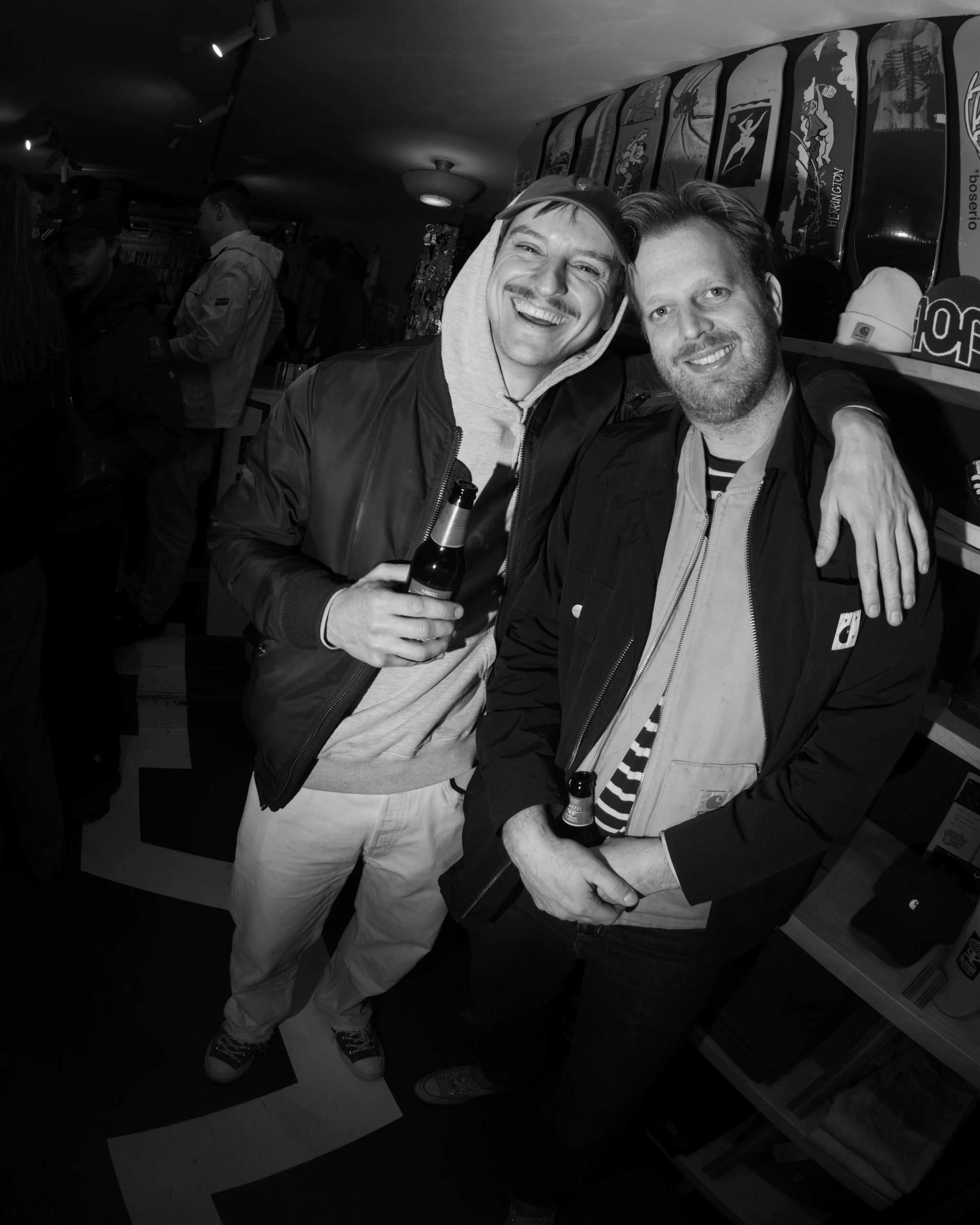
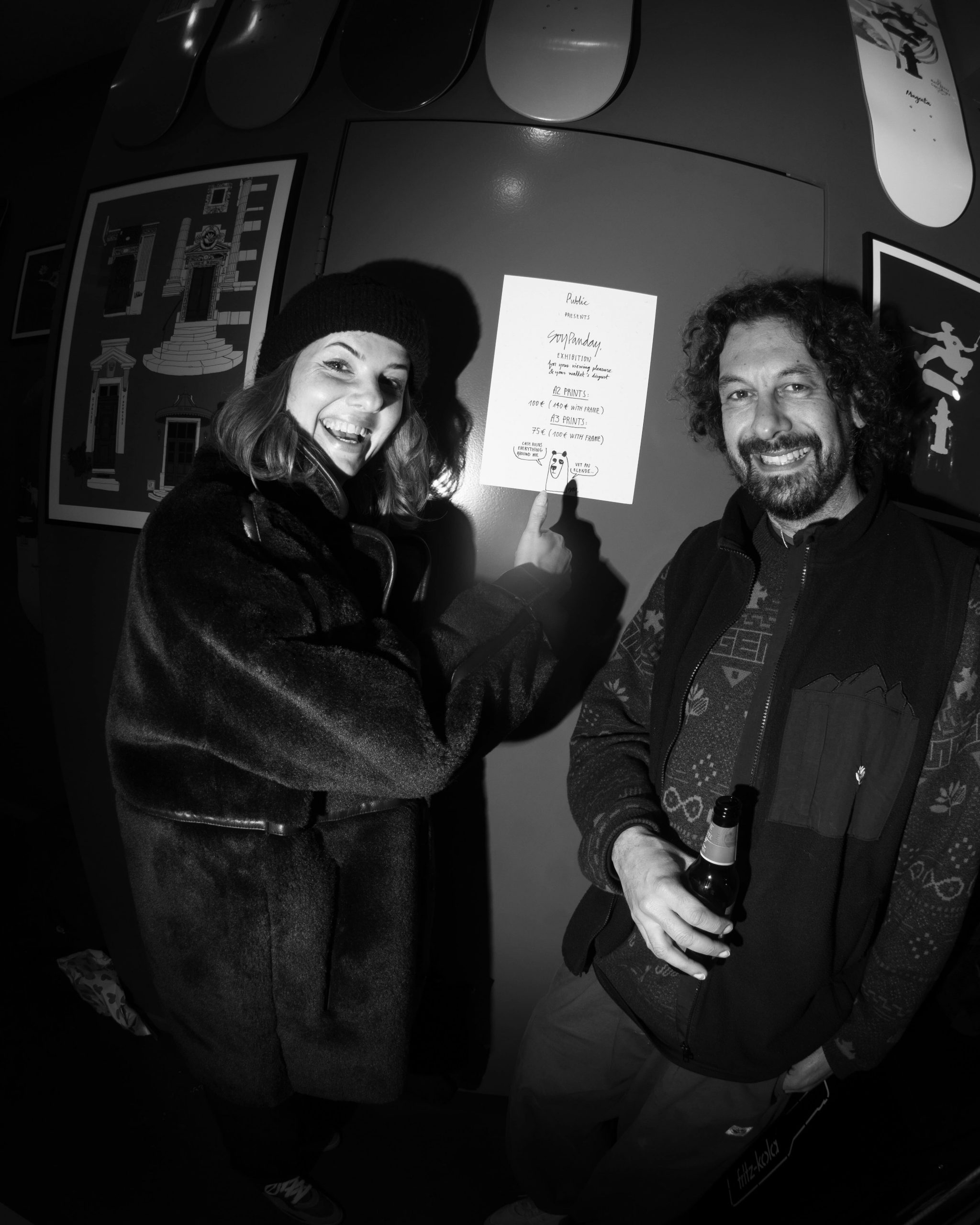
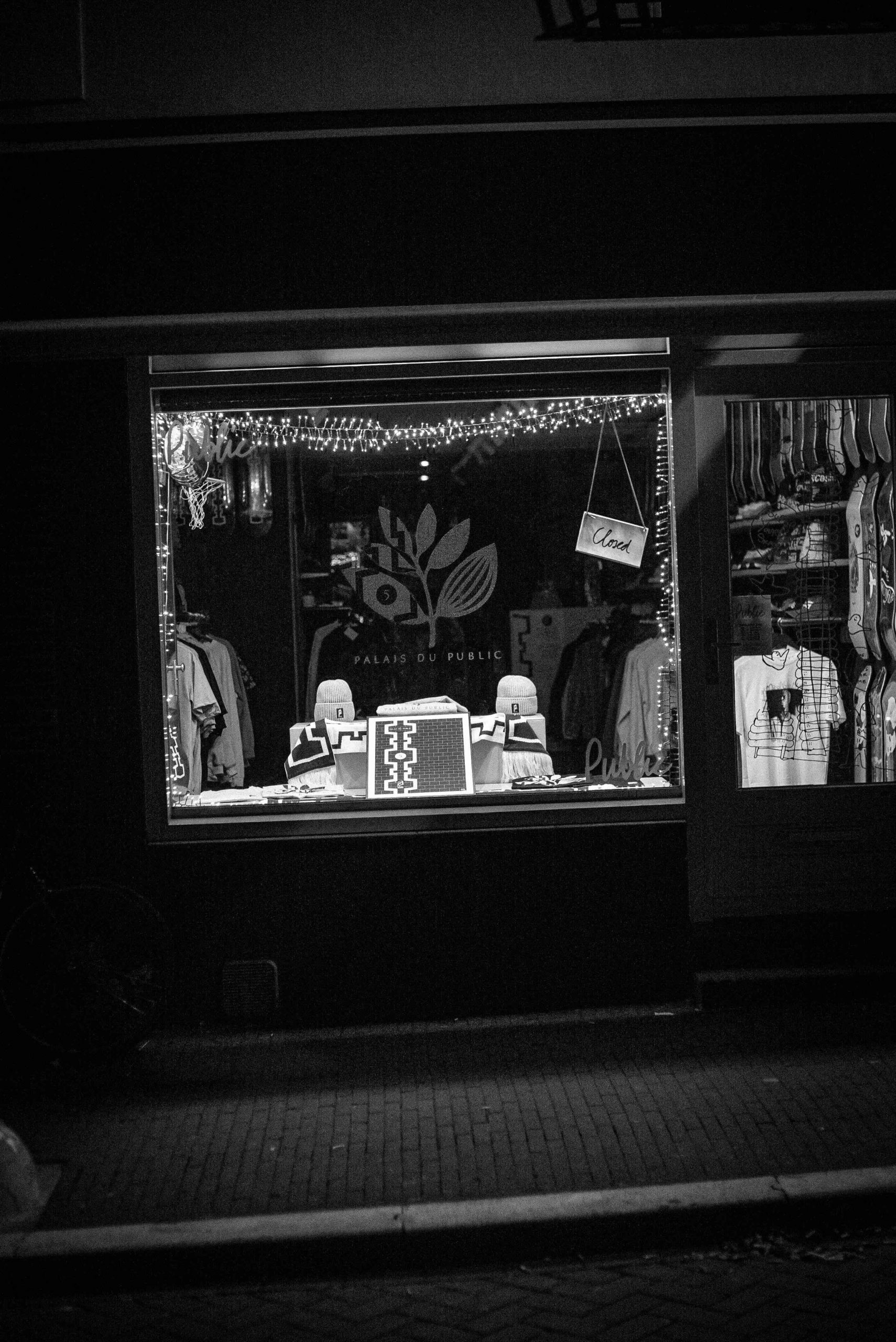
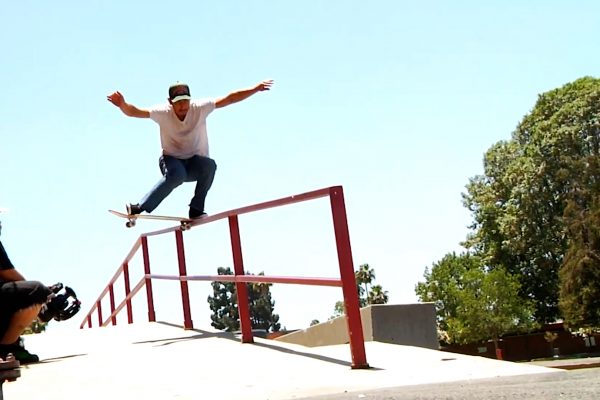
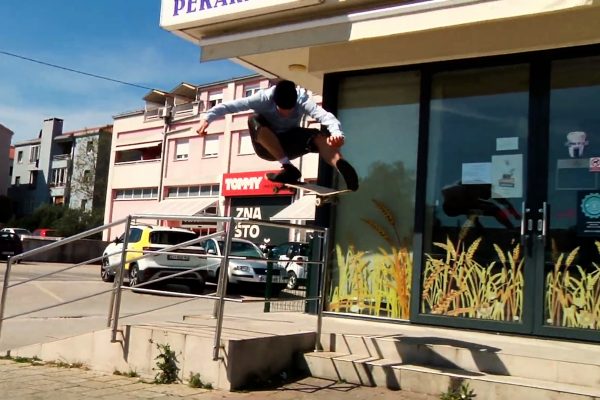
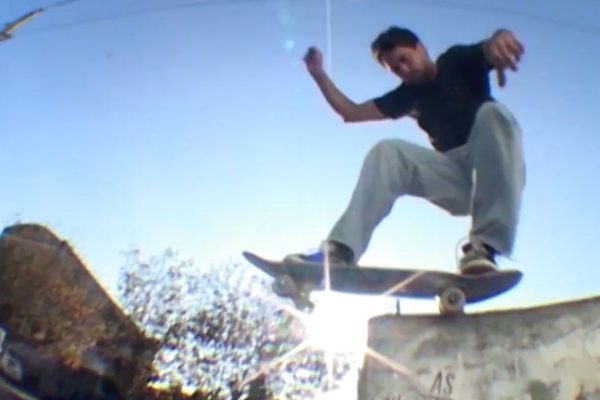
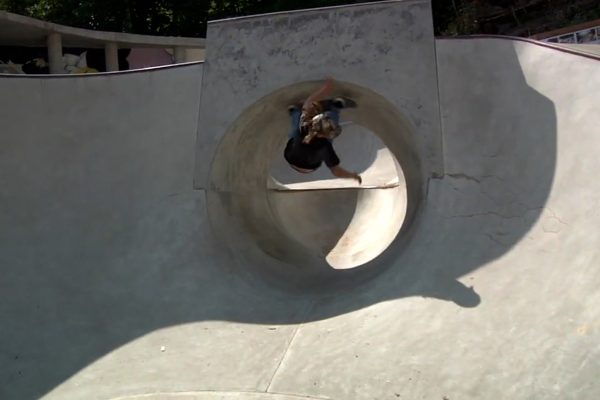
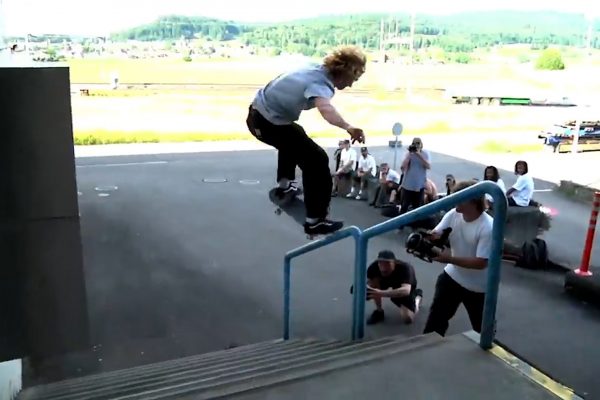
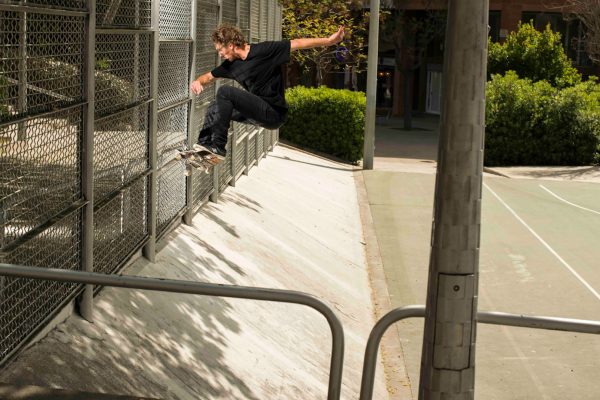
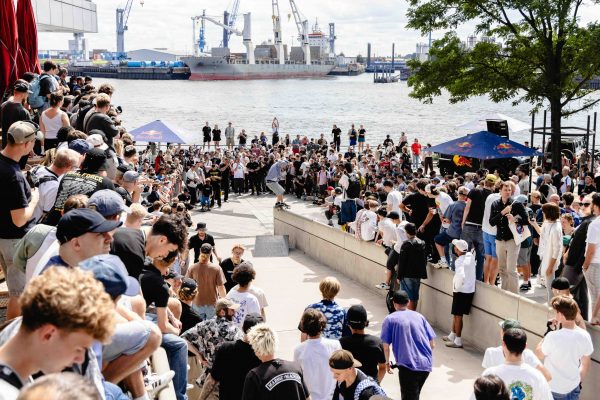
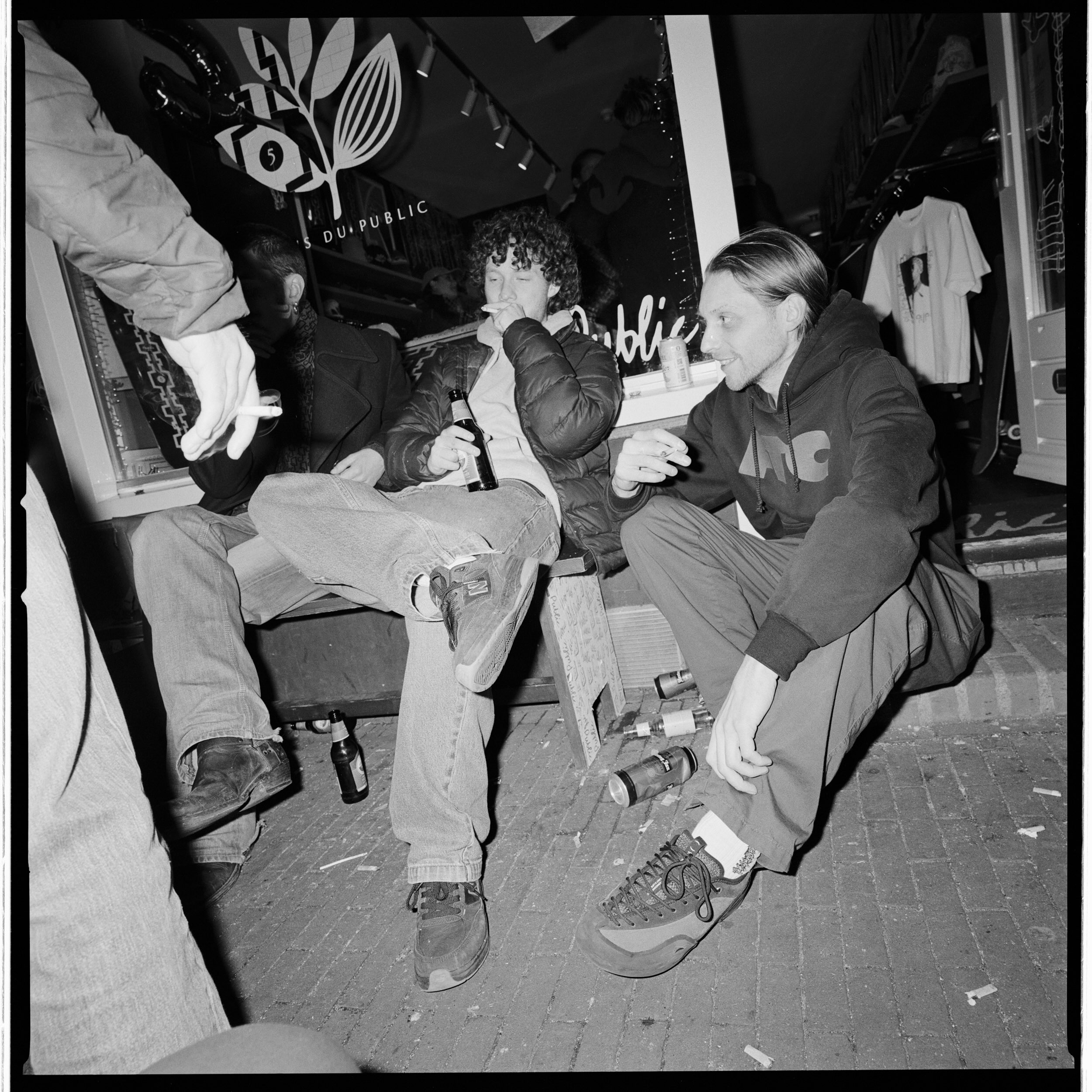
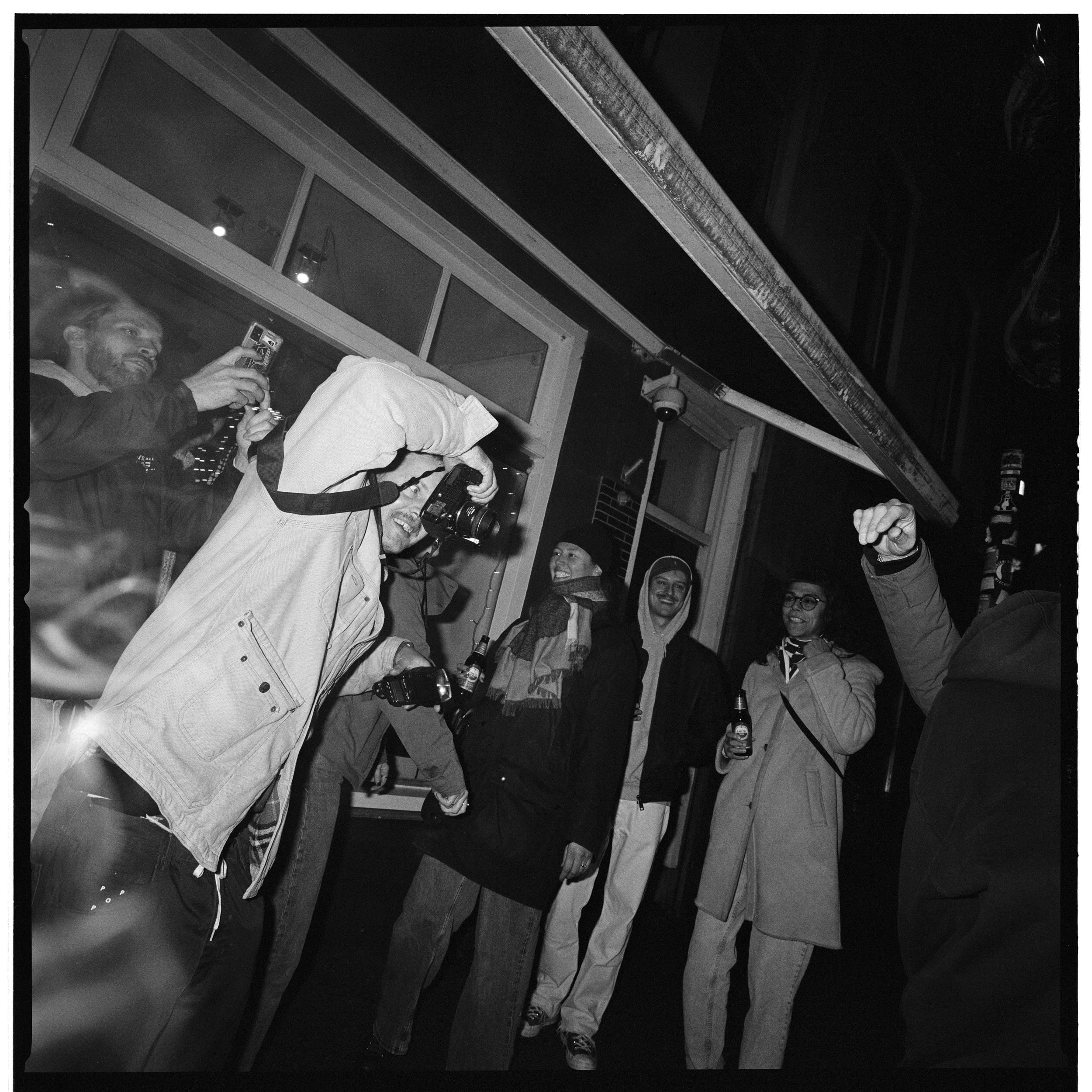
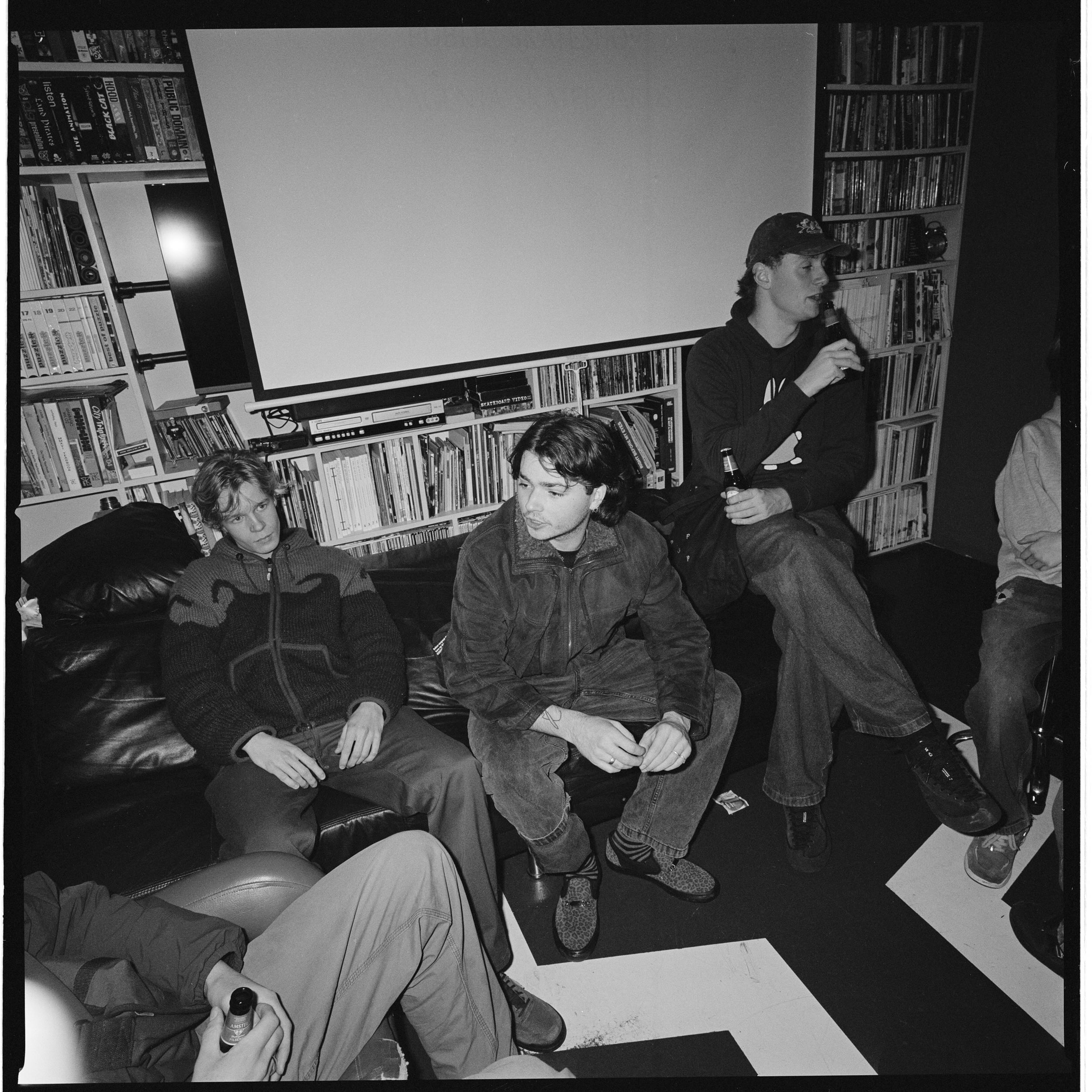
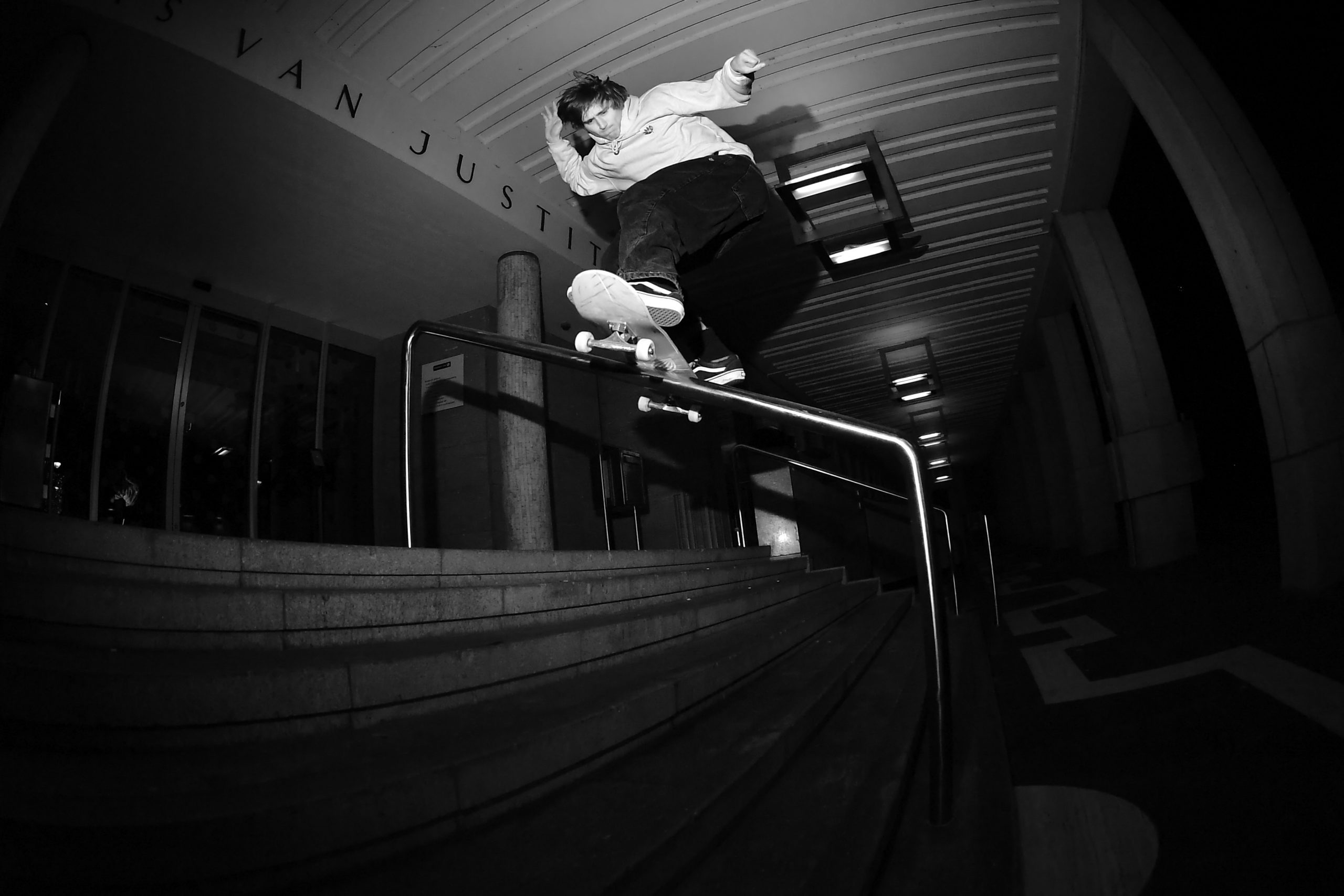
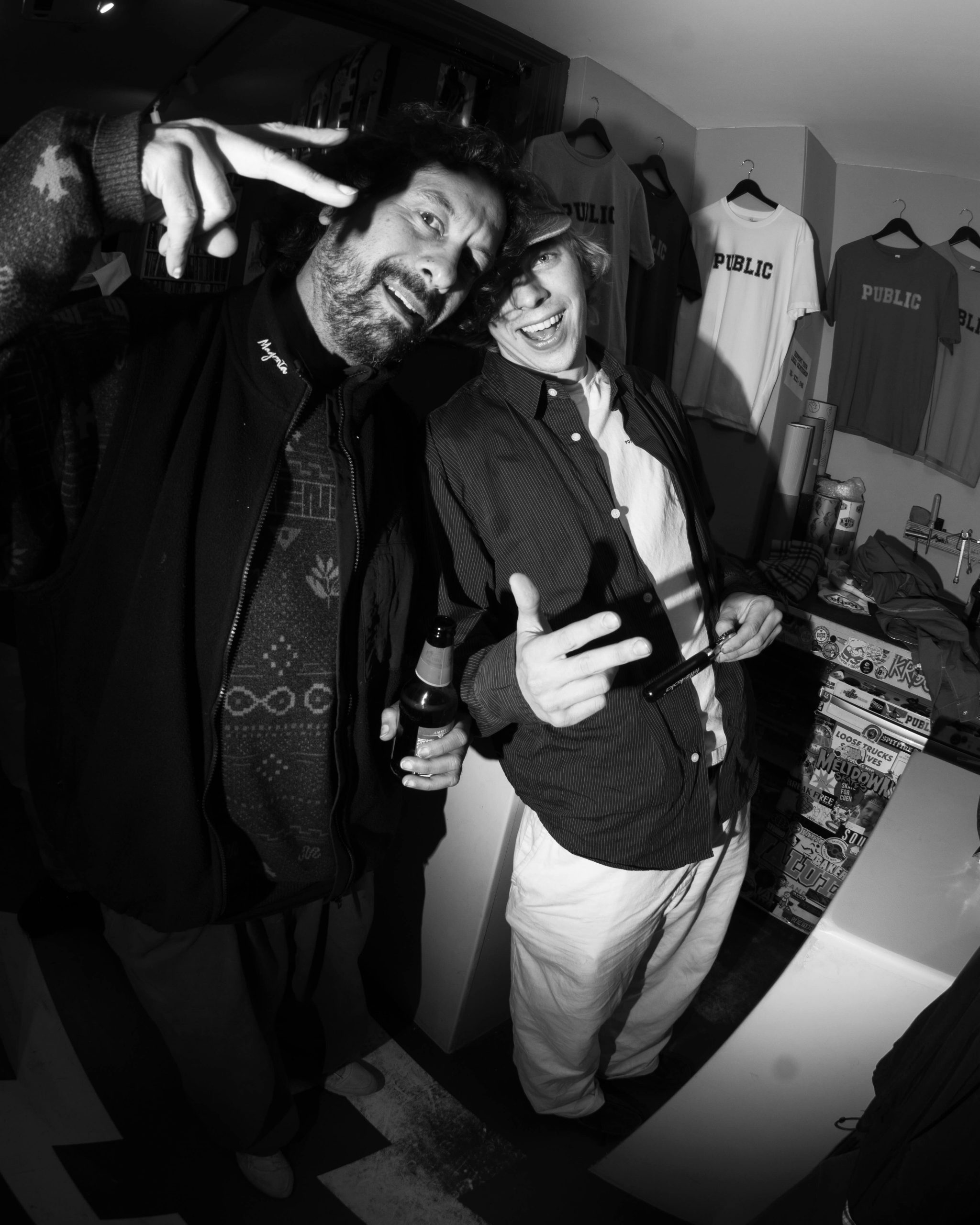
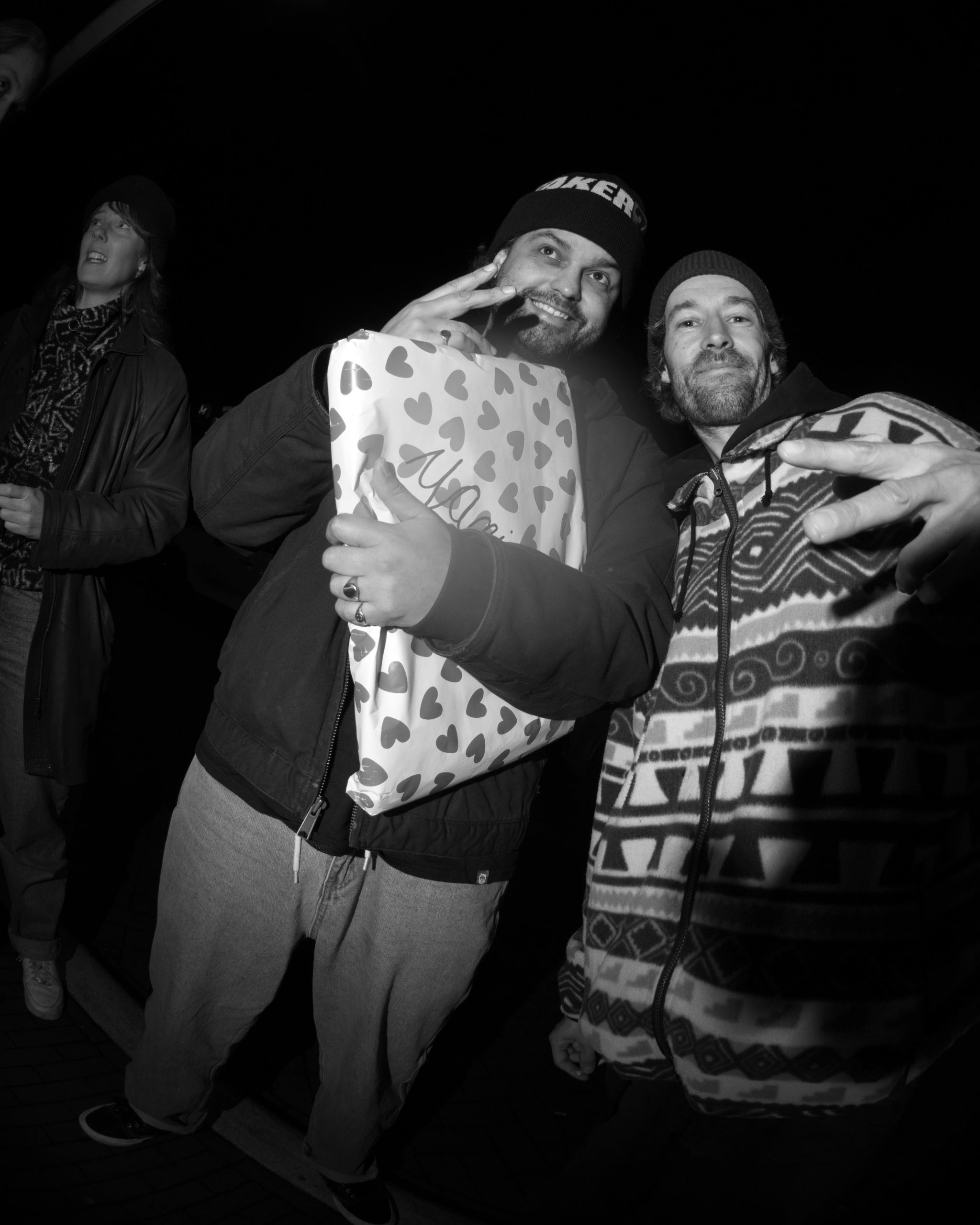
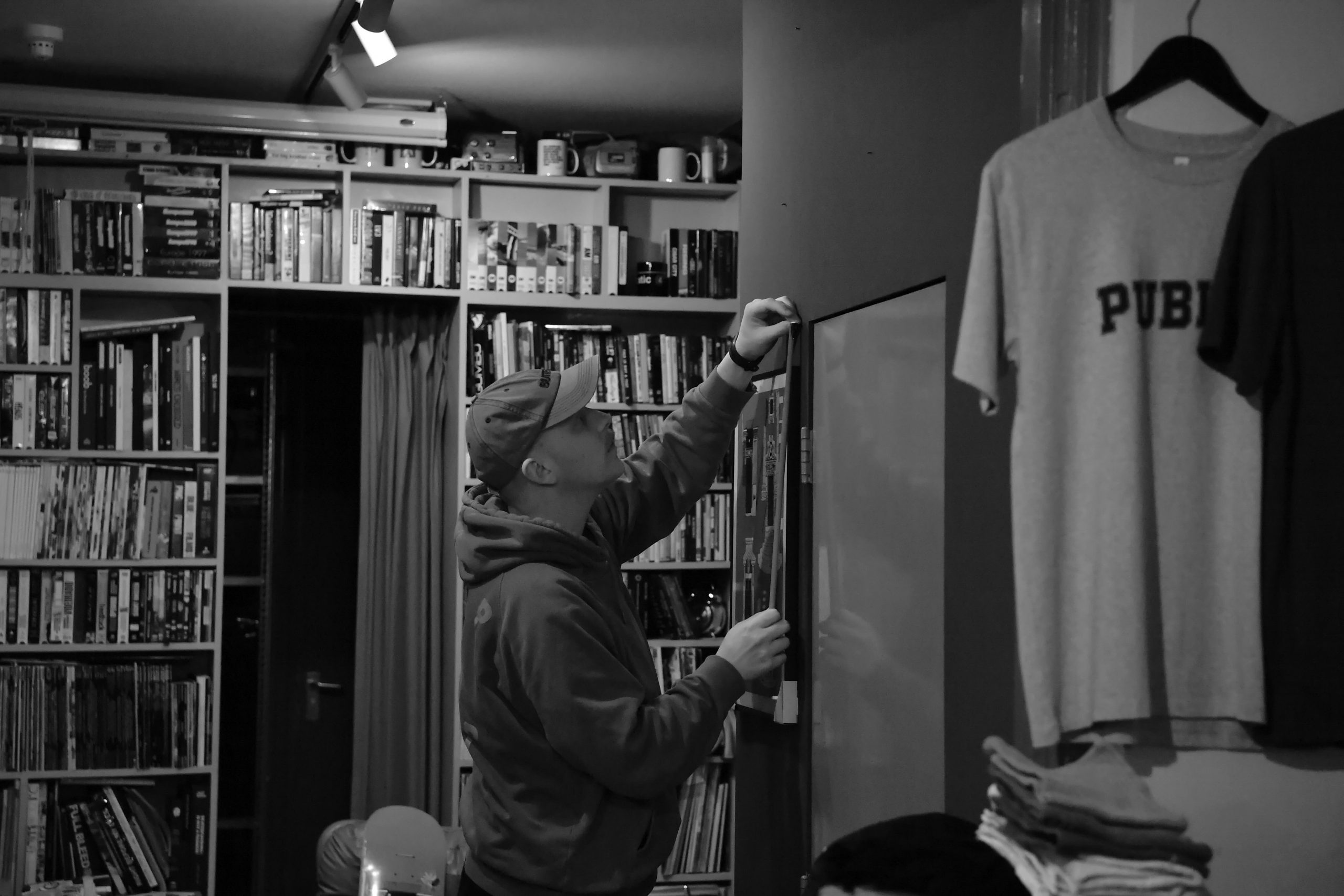
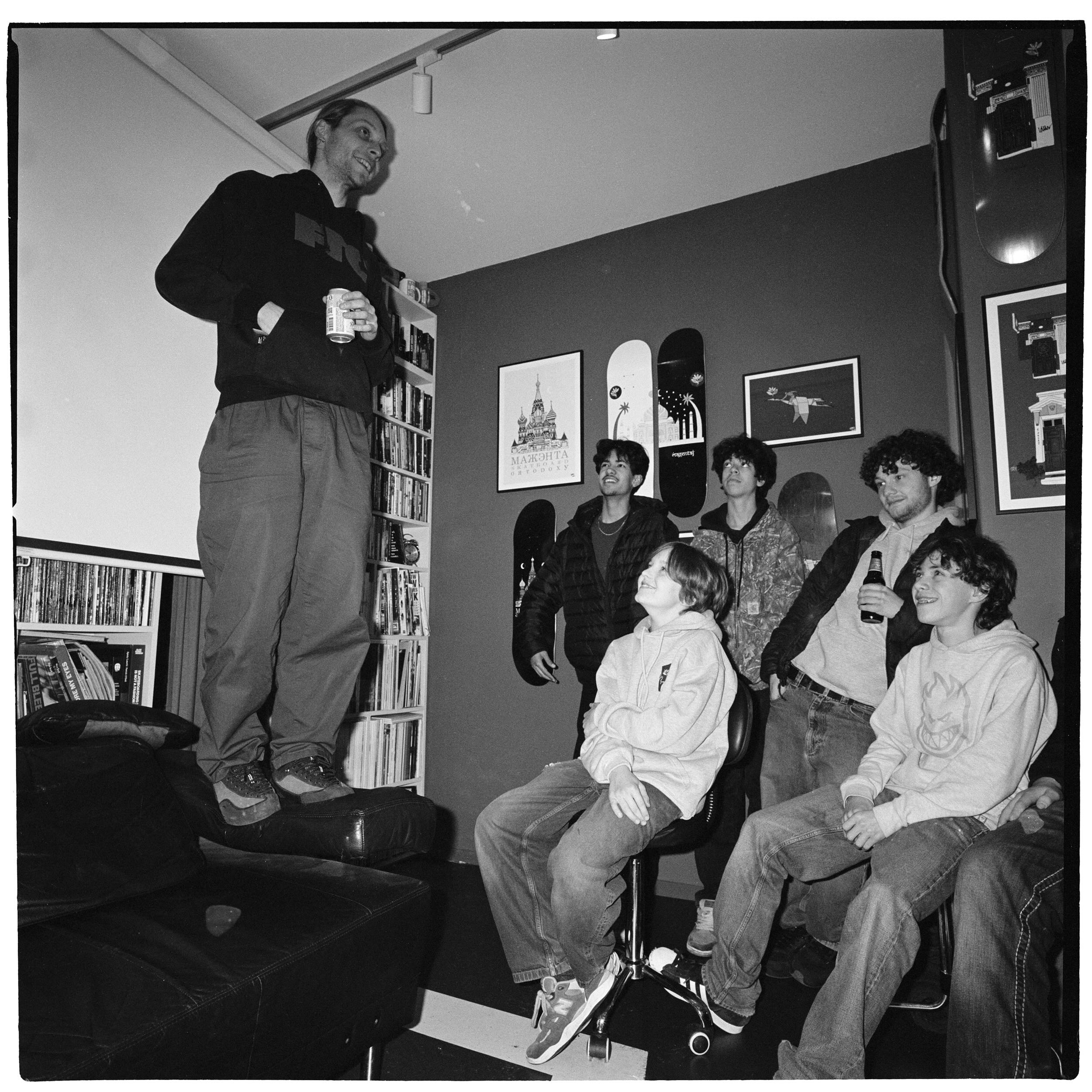
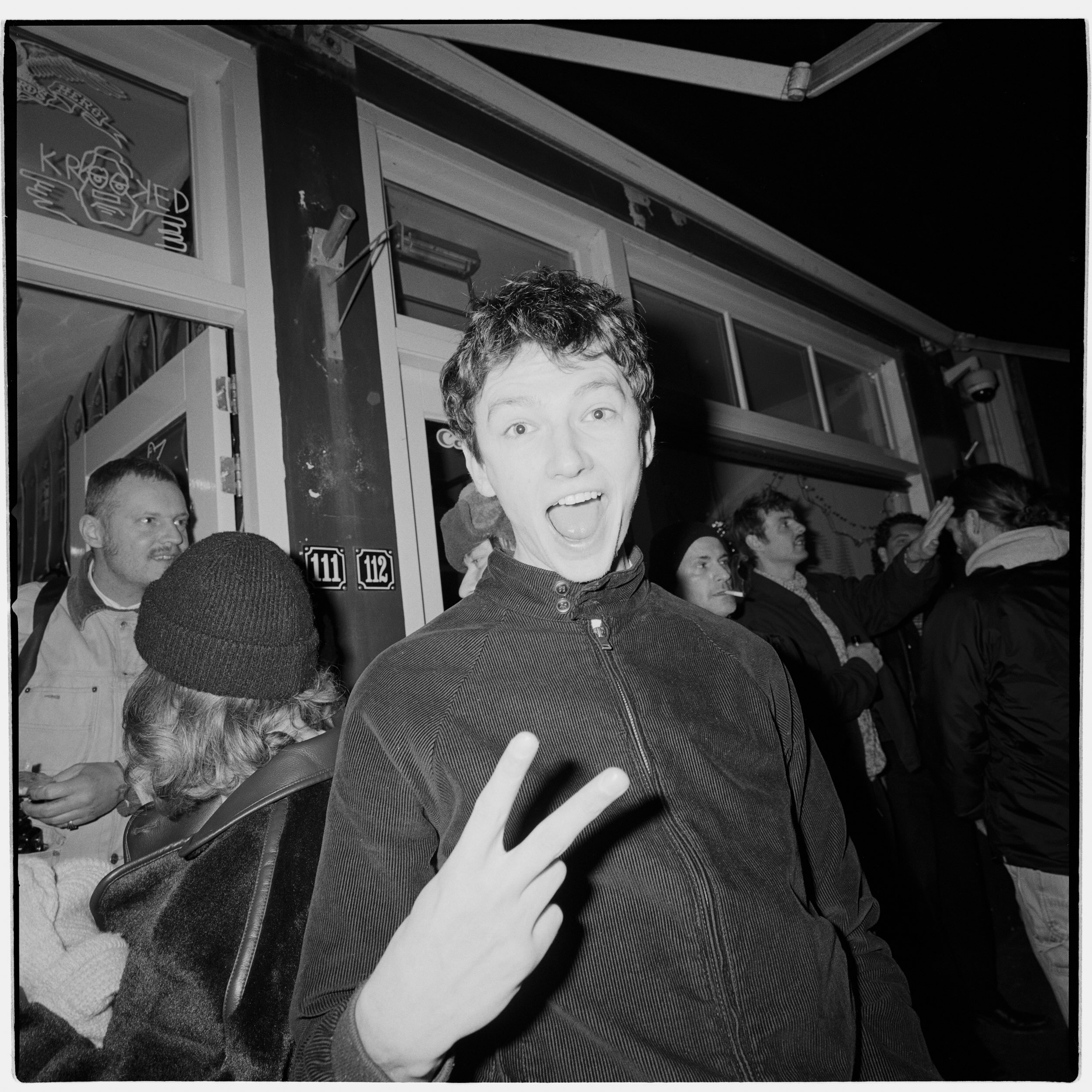
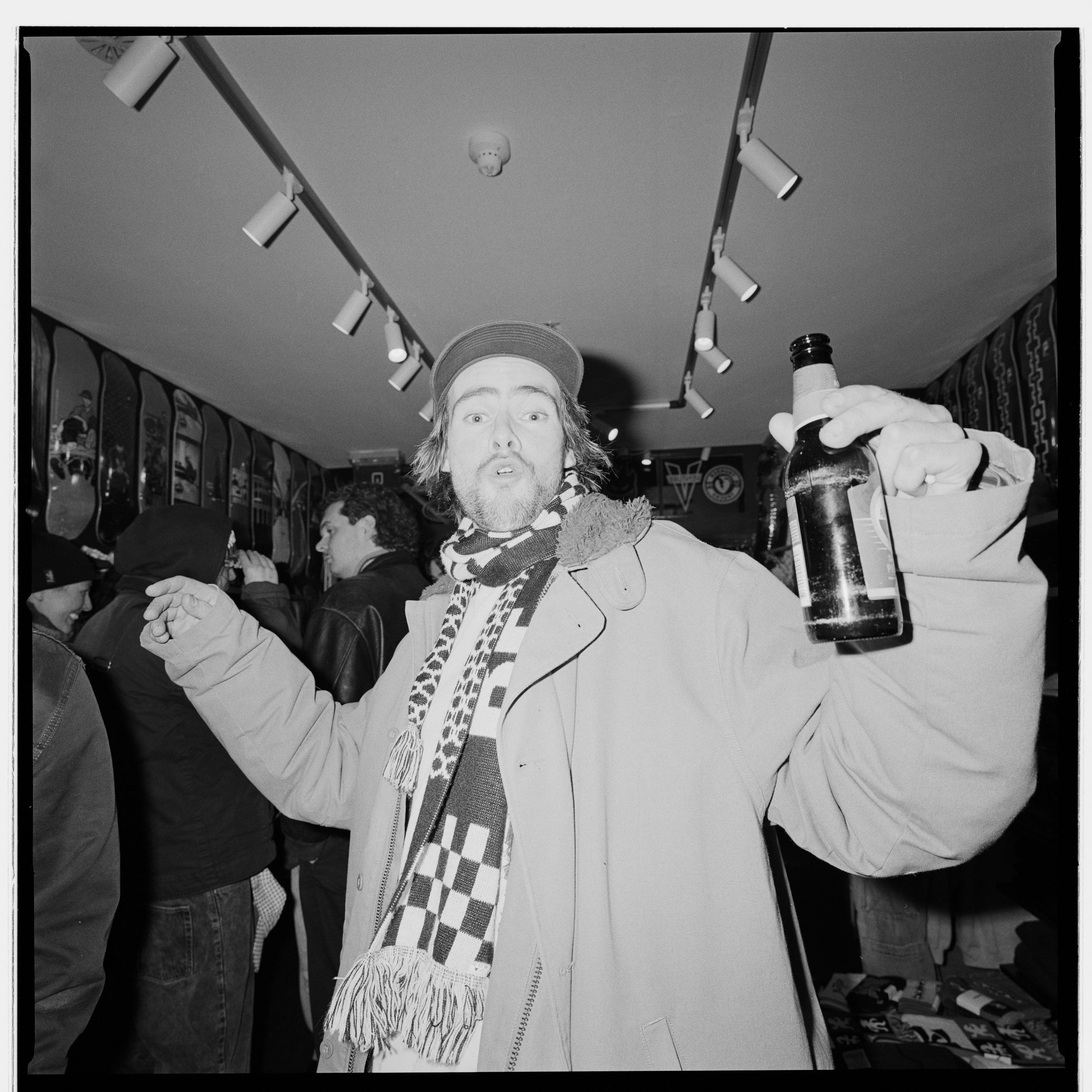
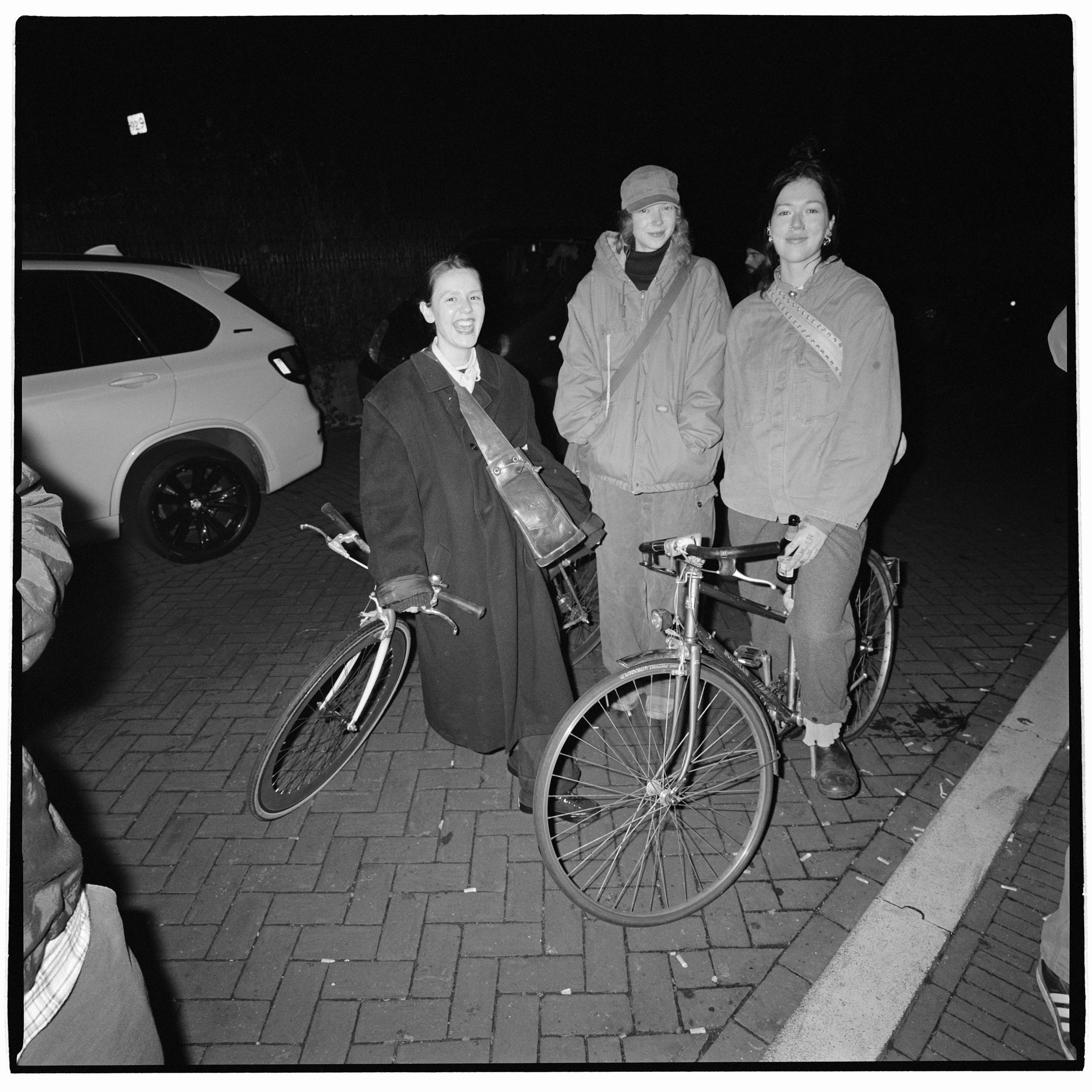
In 2025, the brands of two longtime friends celebrated their anniversaries. Magenta Skateboards turned 15, and Public Skateshop turned five. Reason enough to come up with a collection together, and put out an accompanying video piece – dedicated to Arnhem’s most classic spot: Paleis van Justitie. Down below you’ll find an in depth conversation with Yannick Wijgman (the man behind Public) and Soy Panday (co-founder of Magenta) about every little detail of the Public x Magenta collection, the connection between the two brands, why they’ve fallen in love with the cities they live in, and what’s important to them while making and watching skate videos – accompanied by some stills from their most recent sessions at Paleis van Justitie as well as from Public’s five year anniversary party.
Alright Yannick and Soy, one of you lives in Arnhem, the other in Paris. How did the two of you link up?
Soy: We met in 2010 when Yannick came to Paris. Vivien and I just started Magenta, right at the start Yannick had ordered stuff.
Yannick: Yeah that’s right, I ordered a tee and a board from the very first collection. I was the first person to order Magenta from the Netherlands and I don’t know how, but I ended up getting in contact with Soy and I visited him in Paris.
How did you find out about Magenta as a brand, Yannick?
Yannick: I already knew who Soy and Vivien were from their footage. Back in 2007, I first saw Soy’s part in Static III and later on, I saw Soy’s part in the Landscape video Horizons. When Soy started Magenta, I was hyped on the brand and pushed it at Frisco, which back then was the local skateshop in Arnhem. At the time I was making a video with Frisco and we did a skate trip to Paris; there we met up with Soy. I picked up two boxes full of boards from his apartment on Magenta Boulevard (yes, that’s where the name comes from). I remember carrying those boxes into the humid Parisian metro and sweating my balls off. But I needed to get them to Frisco. We’ve always stayed in touch from then on, and then visited him whenever I was in Paris.
Soy: It’s a friends’ thing between Yannick and me. We’re both kind of in the same niche of skateboarding, so it instantly clicked between us. You meet like-minded people everywhere in the world, and that’s definitely been the case between me and Yannick. When we started Magenta, there was a lot of people that started a distribution just to carry Magenta in their country, Frisco was one of those.
Would you say that you two are like-minded?
Yannick: Yeah for sure because we haven’t even been in touch that much in between Magenta starting and me starting Public, but with friends like Soy it’s always a good time. Even if we haven’t spoken in a while nothing changes, we keep exactly the same connection.
Soy: I have that with a lot of people I meet. When you know that you’re friends it doesn’t matter if the last time you spoke was five years ago or yesterday. It feels exactly the same when you see each other again after a long time. Everyone within the skate industry is always busy, so sometimes you don’t see each other for a while, that’s just how it goes.
Yannick: Me and Soy also don’t live that close to each other. I mean, Paris is not necessarily far away from Arnhem, but I haven’t been able to travel for quite some time now. But I know that if we’d live in the same place, we would be one crew and I’d probably be filming for Magenta.
Yannick, when you started Public Skateshop, how did you and Soy reconnect?
Yannick: When I started the shop, Magenta was one of the first brands that I wanted to sell at Public, together with the DLXSF brands and Polar Skate Co. I needed a logo for the shop, so I thought why not ask Soy? We talked about my vision for Public, aspects like the library and what I wanted the shop to look and feel like. For the design of the logo, I didn’t give Soy any instructions, yet somehow he ended up drawing exactly what I had in mind, a logo that incorporated the library and the skateshop.
Soy: The idea for the Public logo came pretty quick, when Yannick explained the name and features like the library. I must say, the letter P is an interesting letter to work with when doing graphics or logos. While sketching I thought it would be sick to make the letter P out of a hand holding a book. I think it was pretty much the first sketch that we ended up using and Yannick was immediately hyped!
Yannick: Yeah, I immediately felt like ‘this is it’. The whole process basically happened in one day and I guess that’s thanks to the like-mindedness that Soy and I share. You don’t always need to translate what’s in your head, it sometimes just transfers naturally.”
Between you two connecting again for the Public logo in 2020 and now, how did the idea come up of doing a collaboration for the five-year anniversary of Public?
Yannick: I always wanted to do an exhibition of Soy’s artwork and we had been talking about doing a board graphic for a couple of times already. The five-year anniversary of Public was kind of the perfect time to do it, also with Magenta celebrating their 15th anniversary this year. Soy and I were calling and I mentioned the collab again and he told me we could still do it, but we had to submit everything that week due the production deadline! So within two or three days we came up with the collection and made it happen. My initial idea for the graphic was actually something that Arnhem is quite known for (make your guesses), but the graphic would have had to go on the board horizontally. Soy started sketching but wasn’t hyped on the outcome plus it would have been a horizontal design and Magenta never did any horizontal graphics on a board, just vertical.
Soy, is there a reason why Magenta has never done a horizontal board graphic?
Soy: It’s kind of a stupid reason, but there is. For me it just always felt strange if a board graphic is printed horizontal as then it has one side that shows the graphic upside down. For example: if you see a photo of a frontside air on transition, that’s where you can see the horizontal graphic, but it can be upside down depending on the skater’s stance. If a graphic is vertical, it’s never upside down if you’re holding you board ‘normal.’
Yannick: Unless you skate your boards backwards like me (laughs).
Soy: I don’t really like to change stuff while doing graphics, maybe I don’t like change within skateboarding in general. I’m pretty much stuck in 1995… Once I have found something I really like, why would I change that? I transfer that ideology to doing board graphics, I’ve kept the same layout on magenta boards for fifteen years now. Also if I would do horizontal boards, it would change the spot of the Magenta logo on a board, then I’m like: ‘Where am I placing this logo?’
Yannick: I also think vertical graphics make more sense. If I look at the boards in my personal collection, they’re pretty much always vertical.
Soy: Of course there’s been some nice horizontal graphics within skating. Chocolate has done some of my favourites.
The Public x Magenta collection features the floor pattern from one of Arnhem’s most well known spots. How did you two get the idea of using that pattern?
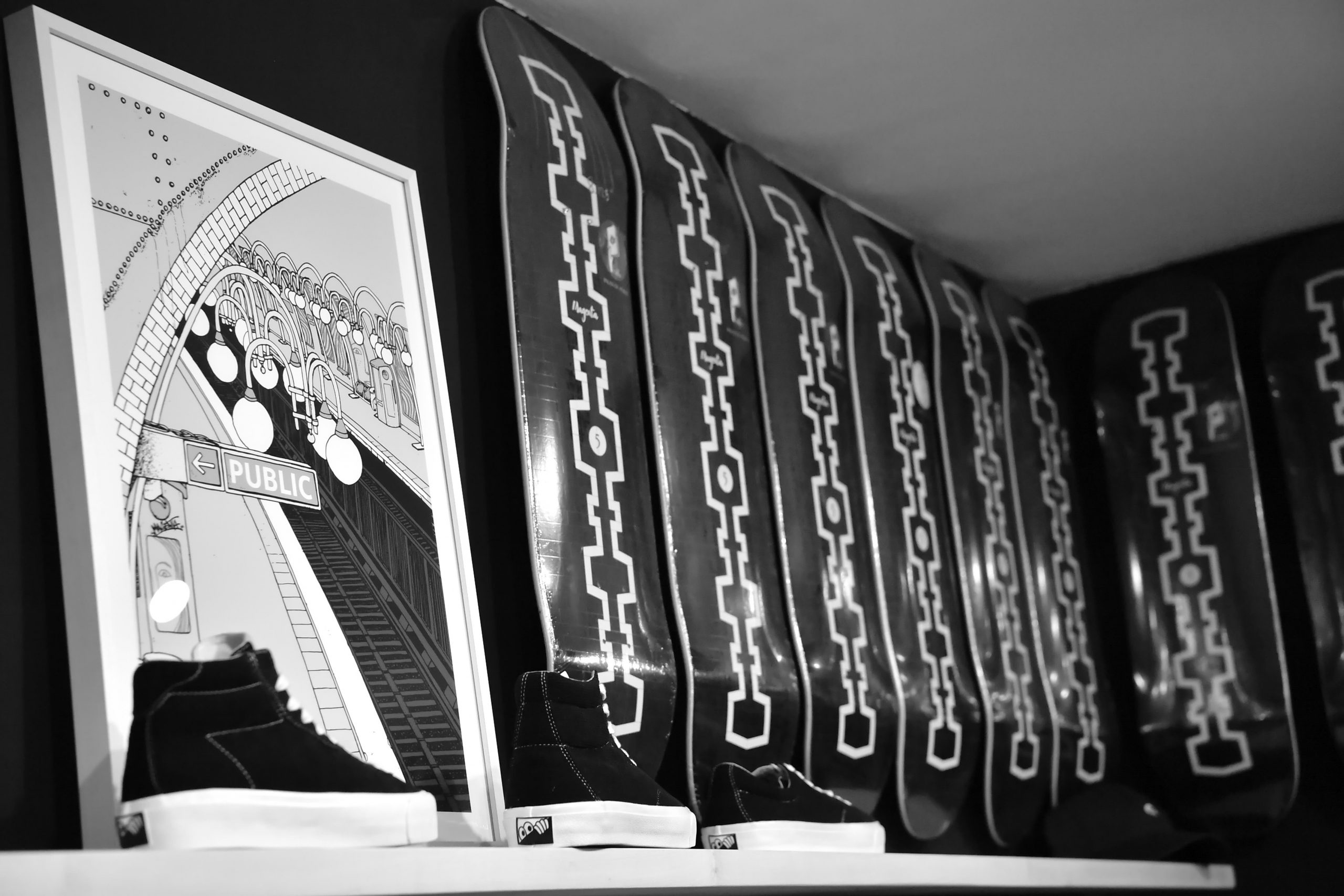
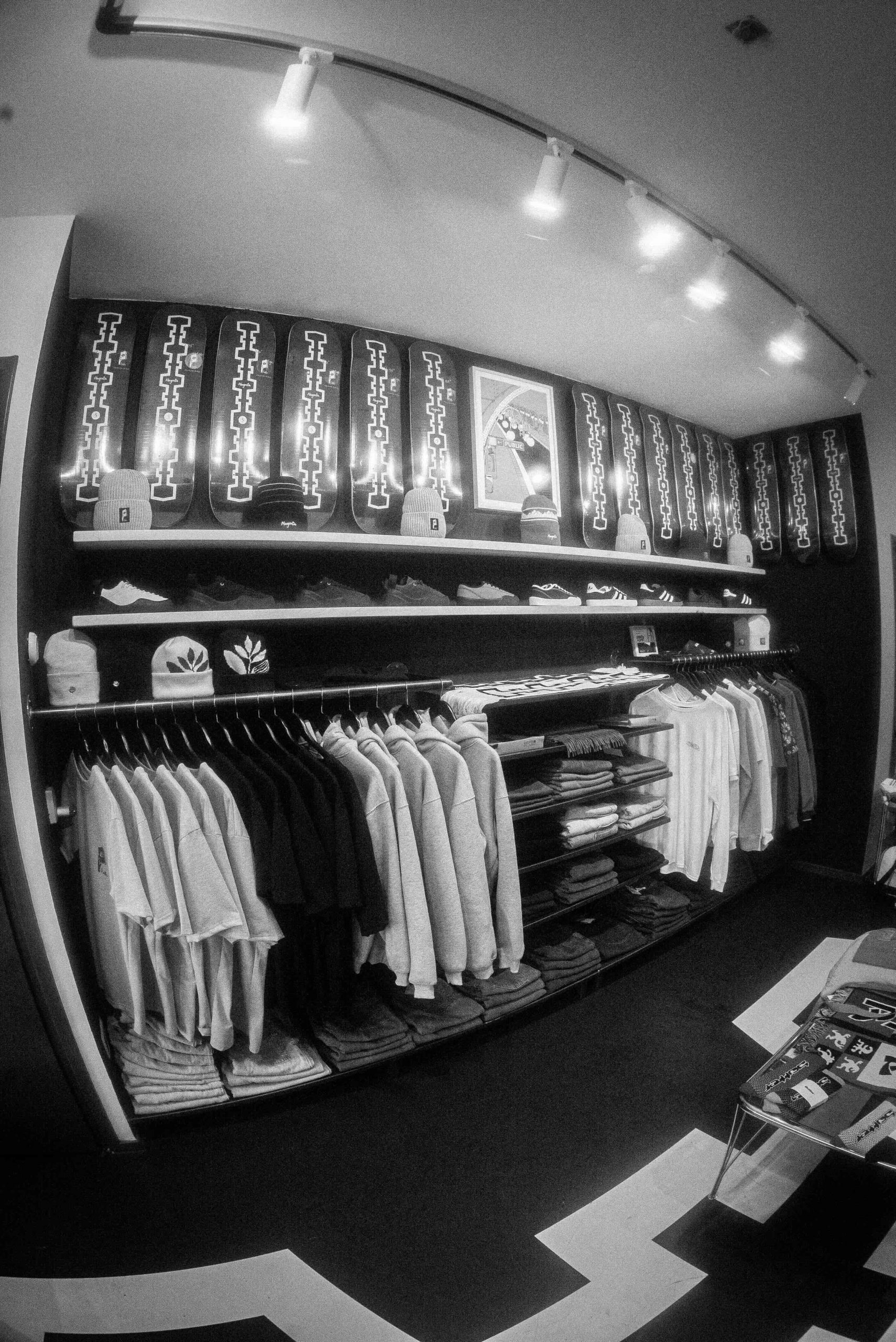
Soy: Well it was Yannick’s idea to feature the floor pattern from Paleis van Justitie in the collection. The pattern was first only meant to go on the scarf. But since we didn’t go for the initial idea for the board we stuck to the floor pattern. When I tried it on a deck, I instantly thought: ‘Damn, this looks good.’ We could print that vertical, plus we incorporated the black tiles of the spots floor in the graphic too; which you can feel when you touch the board. Just because of that idea alone, I was like, ‘we must do the board this way.’
Yannick: The idea for the scarf actually came from one of my best friends, Chantal, who is like an older sister to me. She thought that the Paleis pattern would work perfectly on a scarf, because the length of both of them. I don’t think the full pattern would work as well on a t-shirt for example.
Is there another reason why Paleis van Justitie is playing such a key role in the collection?
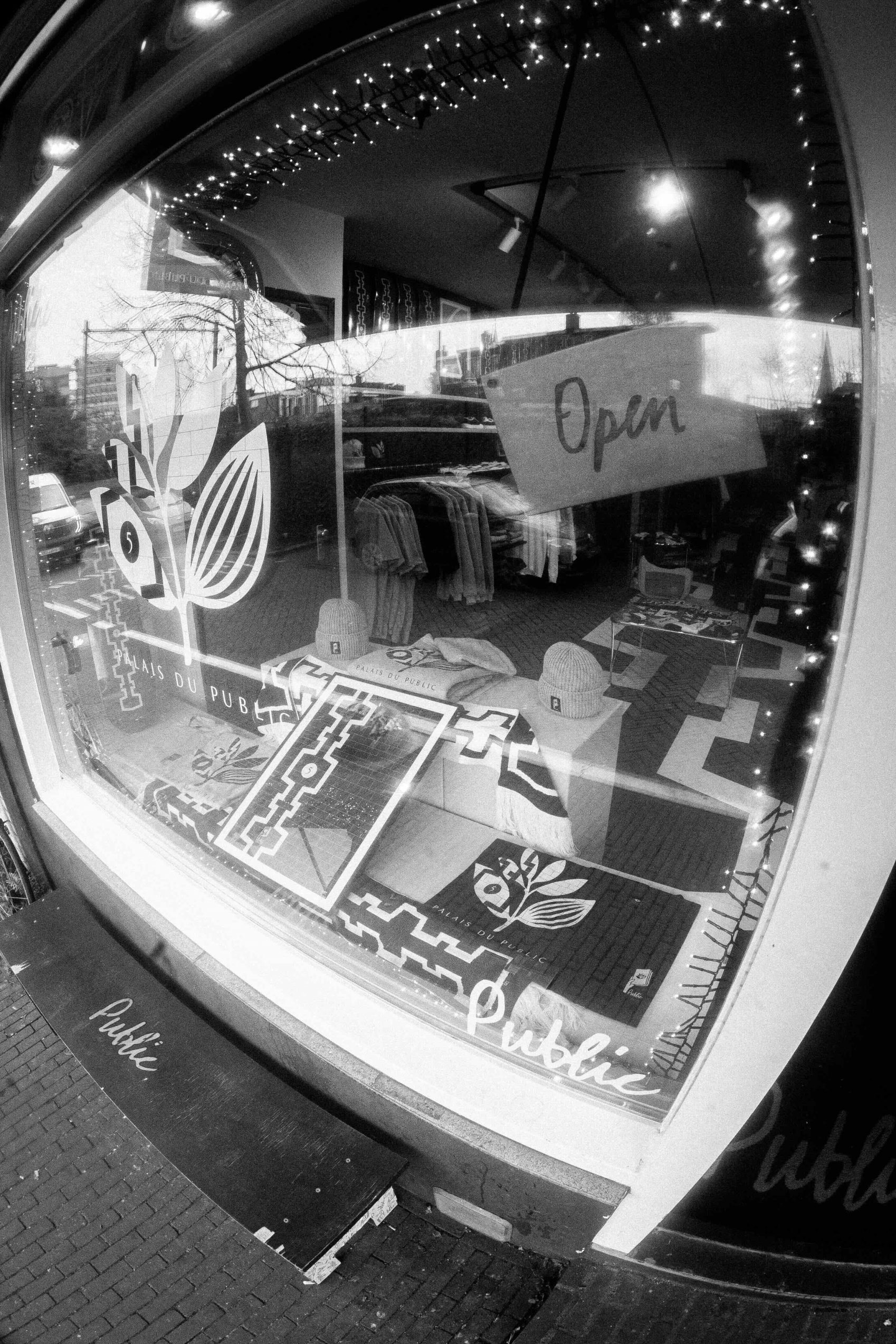
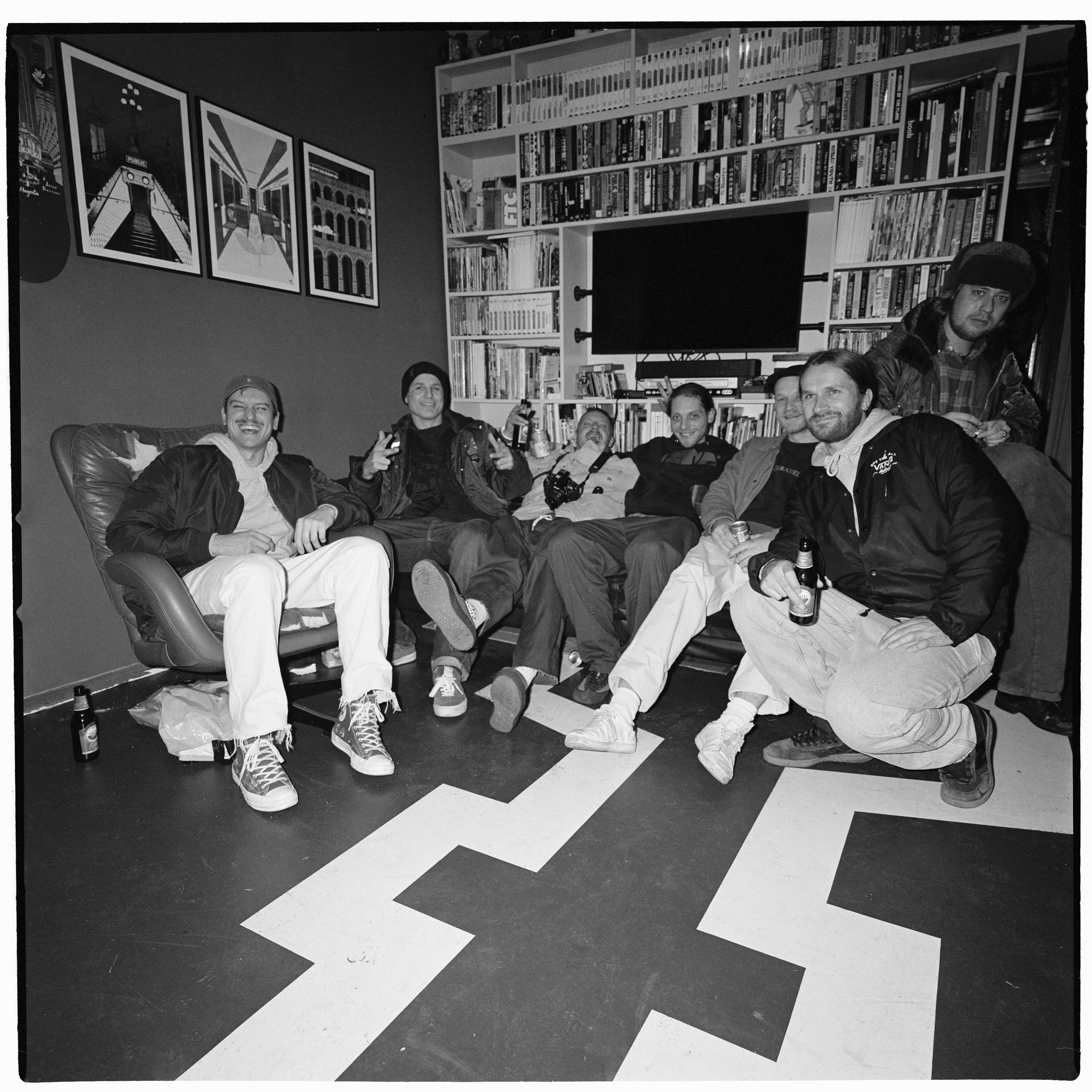
Yannick: Paleis van Justitie is the courthouse in Arnhem, the entrance of the building is covered, so outside of opening hours you can skate there, even when it’s wet. When I started Public, I quickly had the idea to put the Paleis floor pattern on the shop’s floor. So I went there, measured it, scaled it and spent 5 days to put it all over the shop. Paleis has a similar meaning to the scene as the skate shop does. They are both places that connect the scene. I think Paleis is the most important spot we have in Arnhem. It’s a place for skateboarders to get through the winter and rainy days.
For how long has Paleis van Justitie been skated?
Yannick: It’s the longest skated spot in Arnhem. It already existed when I started skating here in 2005, and it’s easily been skated for more than 30 years. I don’t think there are even a lot of spots in the Netherlands that have been skated for that long without major changes. The only thing that’s changed outside is the stairs, which made the spot only more interesting, with the addition of stairs and handrails and a recently added wheelchair ramp, which was sort of skatestopped, yet it remains skate-able.
So it was already a skated spot for generations before you?
Yannick: Yeah, it has been. Joey is the longest still active skateboarder that’s been skating in Arnhem. When he started skating in Arnhem, Paleis was already a skate spot. He’s not from Arnhem originally, but he’s been living and skating here since ’96. Even the generation of skaters before him were already skating at Paleis van Justitie, so Paleis has been skated for five or six generations probably.
Was Paleis van Justitie also a meet-up spot back then?
Yannick: Yeah, for sure. In the time of Joey’s Sk8paleis, Joey had flat bars and some ledges at the shop and the shop was like 500m away from Paleis. So regardless if it rained, people would take the obstacles to Paleis on Saturdays. We really skated there a lot there back then. Nowadays, people mostly skate at Paleis only when it’s wet. And now, with the new skatepark being built under a bridge, people don’t skate Paleis that often anymore. So, this is why the collection is based around Paleis and not only is it a reference to the most important spot in Arnhem, but also to the interior the shop.
Moving on from that. Magenta started in Paris, but nowadays Magenta is often mistaken as a brand from Bordeaux, why do you think that is the case, Soy?
Soy: Our office is actually in Bordeaux right now, because Vivien moved there a couple years ago. When we wanted to open a Magenta store, it was easier to do it in Bordeaux as well and a bit cheaper. Vivien and I have always been close to the Bordeaux skate scene, as there are a lot of like-minded skaters there, so we had a lot of friends in that city even before starting Magenta. I’m kind of the only one left from Magenta in Paris, so I get that with most of the brand being in Bordeaux, people think Magenta is from Bordeaux.
Would you say that Magenta is slowly moving from Paris to Bordeaux or is its identity always staying in Paris?
Soy: I mean part of the identity is always staying in Paris, because I’m in Paris.
Do you ever plan on moving to Bordeaux?
Soy: I tried that for a little bit. I lived there for almost a year, like 11 months. But out of those 11 months, I was in Bordeaux for like 3 days a month. It was a constant going back and forth to Paris for me, so technically I only lived in Bordeaux for 33 days (laughs). I don’t know, Bordeaux is too small for me, and I’m just too attached to Paris. My skating belongs in Paris, most of my friends are in Paris, and I love the fact that Paris is not a random city. I’m not saying that Bordeaux is, but Paris is like, it’s Paris!
Are you proud that Magenta is Parisian founded?
Soy: Yeah, I’m proud of that. None of us Magenta founders are from Paris, but it’s still the place where I’ve lived the longest out of my life. I’ve become a Parisian, because I also paid my dues, coming from a different city in France and making a name for myself here. I was accepted by everyone here, and in the end I kind of became one of the representatives of Paris within skating.
Yannick, what is so special about Arnhem that you started Public Skateshop here?
Yannick: Just like Soy I’m not from the city I live and work in now. I grew up in ‘S-Heerenberg, located next to the German border. In 2005, when I started going to school in Arnhem, I moved in with my aunt and uncle in Doetinchem, because I’d be in Arnhem within half an hour, which was quick in comparison to traveling from ‘S-Heerenberg. I would always go to Frisco after school, so naturally I got to know the guys there. I was already filming skateboarding and back when Frisco did the Spot events, I filmed the first edition for them and from then on, I started becoming part of the crew. So in those years, I started getting more involved in the scene and being known as a filmer. In 2009 or ’10 I moved to Arnhem and never left. I think that’s mainly because I genuinely enjoy the skateboarding here. It was and still is my type of skating, fully focused on being in the streets and not too serious.
So, the Arnhem skate scene has always been very focused on street skating, right?
Yannick: Yeah but not even intentional, we didn’t really have anything else. If people from outside of Arnhem say they’re going to go ‘street skateboarding’, we’re always like ‘no, we’re going skateboarding’, where else are we gonna go?
I guess you both can’t really relate to ‘going street skating’. Soy you also don’t skate anything else than street, right?
Soy: Yeah, I also grew up in a city without skateparks. Skatepark footage was also never something I would like to watch in skate videos. Whenever there were tricks in a skatepark, I would just skip that part. I’m always drawn towards the city centres, because there’s stuff going on everywhere, it’s not just the skating. The architecture is interesting, the people walking by, the movement of cars and public transport. There’s so much stuff to look at outside of the skating.
Is that what makes skating in the streets exciting for you, that it’s unpredictable?
Soy: Right, it’s unpredictable and it’s interesting, you can look at stuff, the streets are alive. A schoolyard is not really alive; there’s a skater and a picnic table, and that’s all you see in the footage. But the first time I saw people skating in the streets of San Francisco and New York, I was immediately like ‘yeah, this is skateboarding.’ Since then, the only thing I’m interested in is skating in the streets.
Yannick: Some people find that weird, that a skateboarder would have no interest in a skatepark. With the new skatepark in Arnhem, Joey asked me if I’m hyped on it, but I just don’t really have any feelings about it at all. I’m hyped for the kids that Arnhem finally has a skatepark, because in a sense, it’s good for them, I’m also hyped for the older guys, because the skatepark is just a little bit more accessible than skating street. But personally, I don’t feel anything about it. But, I must note that a big skatepark changes the skate scene; it takes away focus on skateboarding in the streets. But regardless of that, I think that if there’s a shop or a good crew still inspiring kids, there will definitely still be people skating in the streets of Arnhem.
Soy, next to Public having its anniversary, you guys had your 15th this year as well. Did you expect that when starting Magenta?
Soy: Honestly, no. When we started Magenta, I thought it was going to last a year or two tops. I expected that we’d make like one or two runs of boards and then be done.
So how is it to have reached 15 years now?
Soy: Crazy, I definitely didn’t picture that, I could’ve never imagined that we would start to make clothing and do all the things we do right now. But we were lucky that Magenta got a really strong reception from the start. But not everyone liked Magenta’s type of skating. Some of the traditional French tech skaters thought I was kind of a fake skater, because I would skate other spots than them, and in a very different way. So there was kind of this ongoing discussion about Magenta’s style of skating. ‘Is this legit or not? What are they doing? They’re skating some weird spots’. Those were some of the things we’d hear. But that talk made sure people would know that we existed.
Did those kind of comments make you insecure about having the brand focused on the more cruising style of skating? Or were you like, ’I don’t care what they think, we’re repping our style regardless of anything?’
Soy: I had some confidence, because I knew that people either really loved our way of skating, or it just wasn’t for them, which is okay. But we got a lot of love from those that did, so that kept us going. Part of the skateshops in France that were into that type of skating were hyped on it, they would show love and stock Magenta in their shops.
Would you say that in the beginning of Magenta the brand was getting more love from within France, or internationally?
Soy: Of course, Magenta received a lot of love in France, but at the same time Josh Stewart was like, ‘Yeah, I’ll get some of your boards.’ And the Japanese distributor, whom I knew through my time at Landscape was like, ‘Hey Soy, you’re famous in Japan.’ And so from the start of Magenta, he was one of our first distributors outside of France. The first time I realised that, I thought, ‘Wait, what? We have a distributor in Japan?’ That’s still a bit nuts to me.
Yannick, now you’ve reached five years with Public Skateshop, how has it been and why did you start Public?
Yannick: In 2015 when Frisco quit, I already had the idea of starting my own shop, but I definitely was not ready to do it back then. In 2020 after quitting my longtime job in the kitchen I thought, ‘Okay fuck it, I’m just going to do what I have been wanting to do for a very long time.’ My skateboard media collection played a big part in wanting to start my own shop. I had it all sitting at home, but nobody else could enjoy it there. So making my collection open to the public was something that was important to me and that’s how I came up with the name Public. My motivation has a lot to do with being very involved with the local skate scene in Arnhem and my natural interest in the skateboard industry. I’m always paying attention to new brands popping up and everything else that’s going on within skateboarding. Being a skateboard filmmaker, taking photos, having worked in kitchen etc. I could combine all of that in the shop.
Since skateshops worldwide have been struggling to stay open, how has it been business wise?
Yannick: The past five years have been tough for sure. I think being able to survive as a shop really depends on yourself as a shop owner very much too. For me it’s just very important to be doing events and bringing people together. The shop depends mostly on the physical location, selling clothing and shoes. Brands like New Balance Numeric, Carhartt, Polar, Magenta and Butter Goods have been key for me to keep this business going. But some brands I sell because I personally just really like them, even though I know they don’t really sell that well. I try to push those brands, but some of the stuff you end up having to put on sale at some point. Classics like Spitfire logo t-shirts or Anti Hero’s ‘Eagle’ things I sell well on my online store. A lot of shops don’t have things like DLXSF stickers, small hardware and other accessories.
So you try to fill the gaps in the Skateshop market by selling stuff that maybe only a brand themselves sells, and bigger shops don’t?
Yannick: Yeah not intentionally, but yeah I think I do fill certain gaps as a lot of chain stores and ‘skate-boutiques’ don’t sell the smaller goods. Even though there is a demand for those things, so I get international orders for bushings etc. from all over Europe. I don’t make a lot of money with that, but it makes me happy to be able to serve people something that they can’t find elsewhere. A skateshop is supposed to be a specialised shop in my opinion and as a skateshop owner you’re supposed to have a certain knowledge about skateboard hardware etc. as well and pass it on to new generations. I think a lot of shops or their employees don’t really take that seriously nowadays, which I think is a shame. I want to know everything about the stuff that I sell. When there is new skateboard hardware like soft sliders or things like the DBX construction, then I want to try the product and see how it skates. With the boards I don’t necessarily have to try it as most of the brands I carry come from the same woodshop, so I know that certain brands are going to skate relatively comparable to each other except for the shapes and concave.
What is the plan for the next five years with Public, and would you like the shop to keep the same role in the scene?
Yannick: That for sure, I think my goal for the next couple years is trying to stay alive by doing the same things I do now. Everything that I dreamed of doing with Public, I’m kind of doing that already. With the events Public does, everything is handled last minute, so in the next years I want to be better prepared and when it comes to doing that. I want to be able to pay artists to do graphics for the shop, be able to hire people to work at Public etc. But obviously I have to be able to start making a living myself from the skate shop.
Are you managing to make a living off of Public now?
Yannick: Yeah that is slowly starting to become something that’s realistic. On paper I haven’t really made any money with the shop. Every bit of profit is invested right back into the shop. I think that when most people talk about profit, it’s always a financial thing. But for me profit can’t always be measured in just money, it’s the same with the shop. The things that having my own skateshop gives me, no amount of money could replace that. You can only achieve that through hard work and that mentality really has to come from your heart, otherwise it’s just not real.
How things are going right now, is Public managing to stay in business?
Yannick: Yeah, but last year around this time I wasn’t sure if it was going to be sustainable to keep Public going for another year, because it was just really going shit. I was behind on multiple invoices, and every time I thought it was moving into a better direction, I’d have a month that was so fucking shit that I was back to zero again.
Does putting all your energy into Public Skateshop give you back energy as well?
Yannick: Yeah, it gives me back some energy for sure. But of course sometimes it also costs energy in a negative way. The way that I started the shop and the way that I see things now have changed in some ways for sure but it’s still the same vision and over time I also got it more clear in my head what I want to focus on.
Do you think most locals know and appreciate how much energy you spend on the shop and the scene?
Yannick: I think that some people know it but knowing it and appreciating it are two different things. I think that a lot of skateboarders are taking for granted what skateshops do in general, often they only realize that when a shop has closed down. I’m always telling the team, ‘You’re not doing this for me, you’re doing this for the whole skate scene in Arnhem, plus beyond that as well.’ Because with our events and how we run the shop, we’re also inspiring people across the Netherlands and even further. After the release of How Public skateshop is preserving the culture and motivating the local scene, I got feedback from other skateshops like, ‘We should do more of this and that, like you guys.’ So at the end of the day we’re doing it for skateboarding and the culture worldwide.
How does it make you feel if you as a skateshop from Arnhem, you can inspire other skaters and even other skateshops all across the world?
Yannick: Yeah, I guess that does feel good. I’m just very much a sober person and running the shop the way I do is just normal for me, but of course there are times where I realize that what I’m doing IS special, and that feels good. It gives me the energy to keep doing what I’m doing, it of course works well on my motivation.
Public Skateshop has always been really focused on making videos. You’re one of the only shops in the Netherlands still doing that, why do you actively choose to?
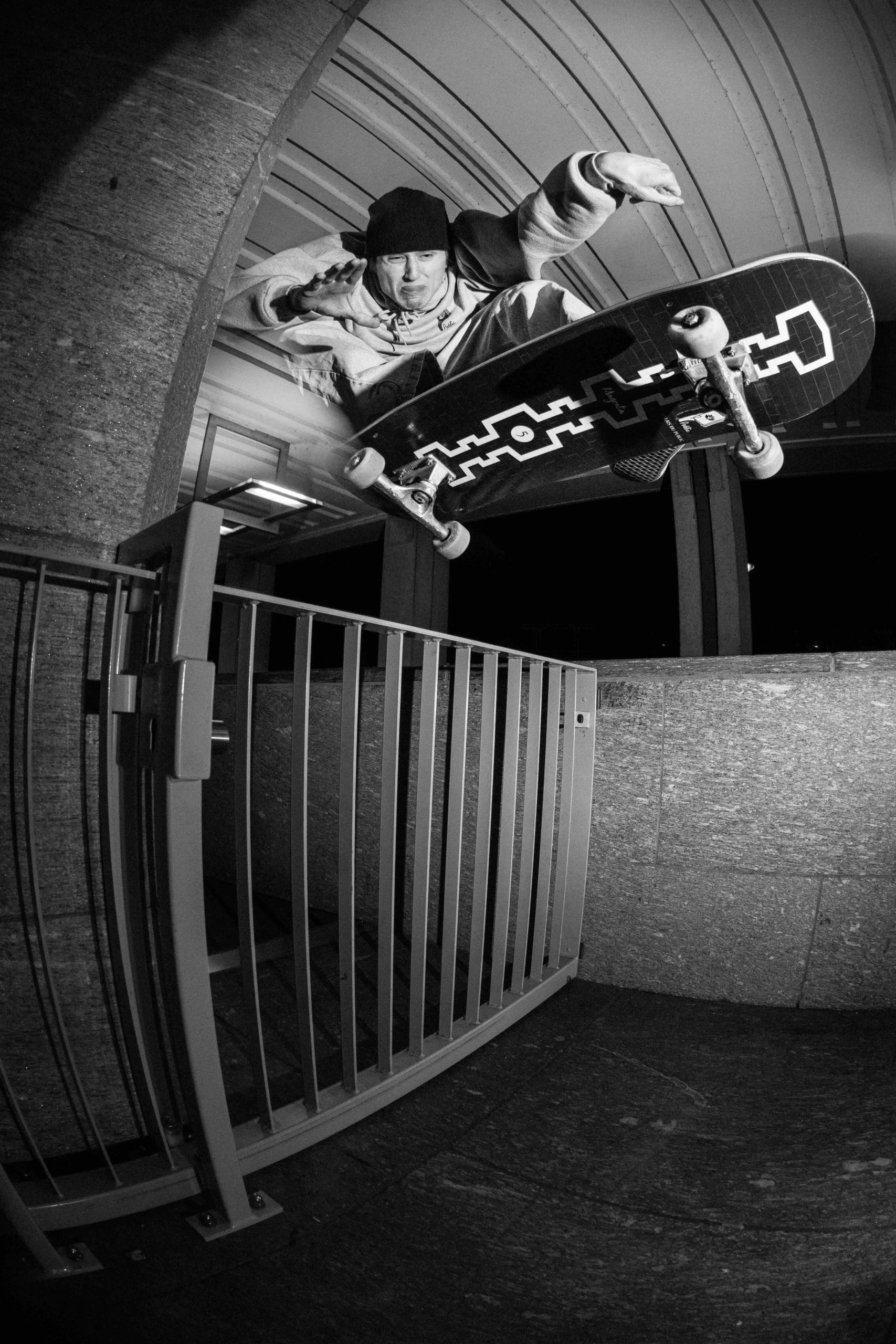
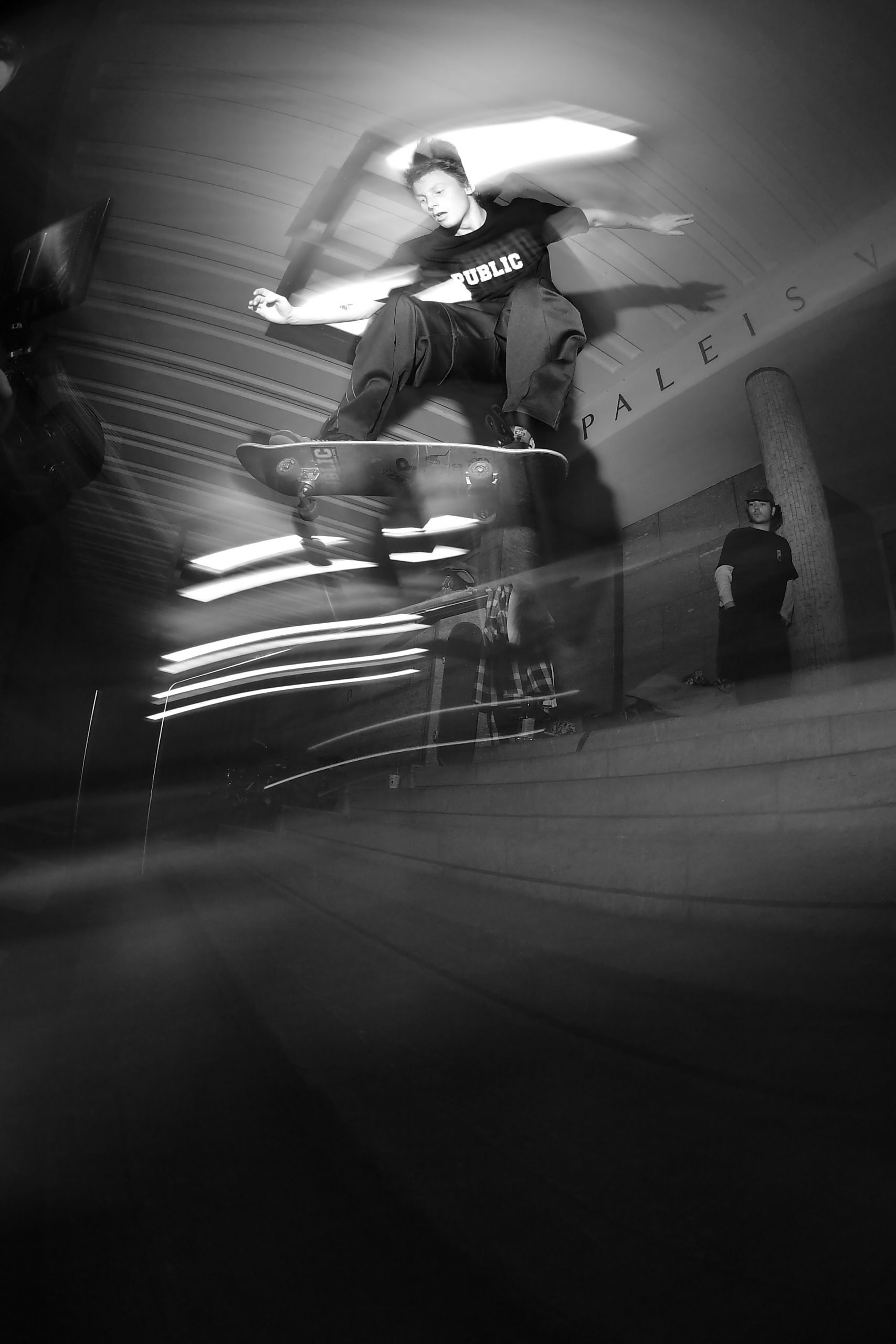
Yannick: Because I’m still dreaming of becoming a paid skateboard filmmaker (laughs). No, I’m not dreaming of that, but I’d still love to be a paid skateboard filmer. But right now I combine those two, and not get paid for both (laughs). For me filming is the most fun thing there is, going out searching for spots, fixing spots and documenting the whole adventure of doing so. Looking for spots is something that’s constantly in my head. Even when I’m going for a walk with my girlfriend, I’m like ‘Can we walk this way?’ because I want to check something out or see how the spot looks that day. Filming plays such a big role in my daily life. Sometimes I already envision how a trick or a spot is going to look on video or photo. For example with the photo of Wisse ollieing the Paleis handicap gate, I was very excited that Hugo (Snelooper) shot it the way I imagined it. Documenting skateboarding is next to the physical aspect of skateboarding, the most fun thing to me, because it’s also such an intimate practice. While filming fisheye, you’re physically so close to somebody that you really have to trust each other. As a filmer you have to know how somebody skates to be able to film them in the best way, you’re so close to each other that it feels like you’re trying a trick together. You almost feel like you landed the trick as well, when you’ve caught something on video.
Soy, what is important to you when making and watching a skate video?
Soy: A few different aspects, the music has to be good, of course clothing plays a huge role. Not necessarily what brand they’re wearing, but I like someone to look good. Because for me there’s always an aspect of like, ‘Do I want to be this person?’ If someone dresses with bad taste, it’s almost like I can’t watch it, and I’m definitely not going to remember the clip. It has to be good style in every aspect. The location of the spot, the trick, your style and the way you dress. Every ingredient is important. A trick should be inspiring to other skaters.
So for both Magenta and Public, it’s not only about making skateboard videos, but mostly the style in which it’s done?
Soy: Yeah, it’s about what you show of this culture. Showing the trick is such a small part of that in my opinion. ‘Las Nueve Vidas De Paco’ by Chocolate skateboards is such a good example of a video where I think everything clicks together in all aspects.
[Interview gets interrupted, once again.]
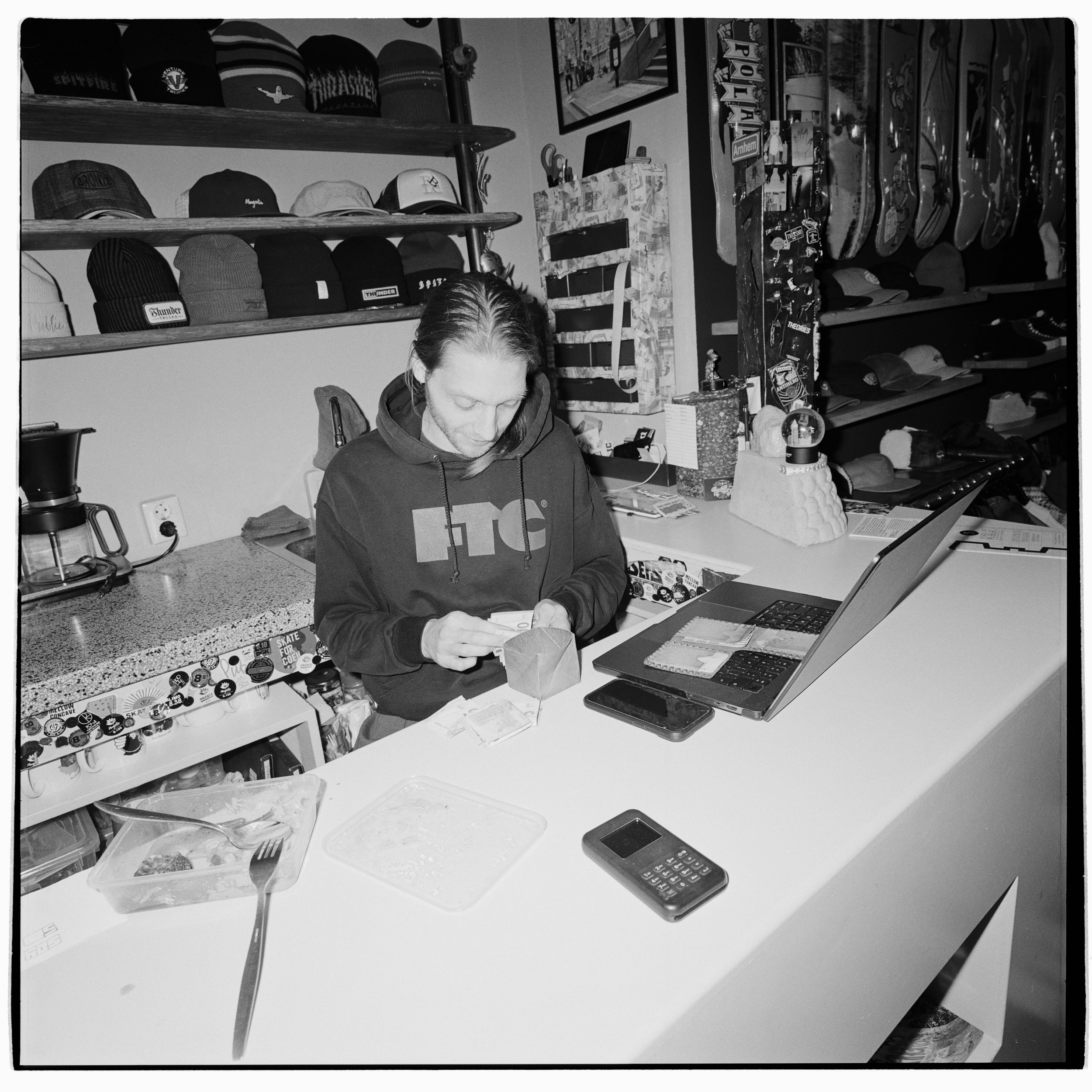
Yannick: I recently was talking to someone about having to make money with Public at some point, and today there are a lot of people coming in, so I’m actually making some money, but I almost find it annoying because I constantly have to stand up and interrupt our interview.
Soy: ‘Hey could I ask you a question?’ – ’Actually no, I’m talking about how broke I am right now, could you come back tomorrow maybe?’